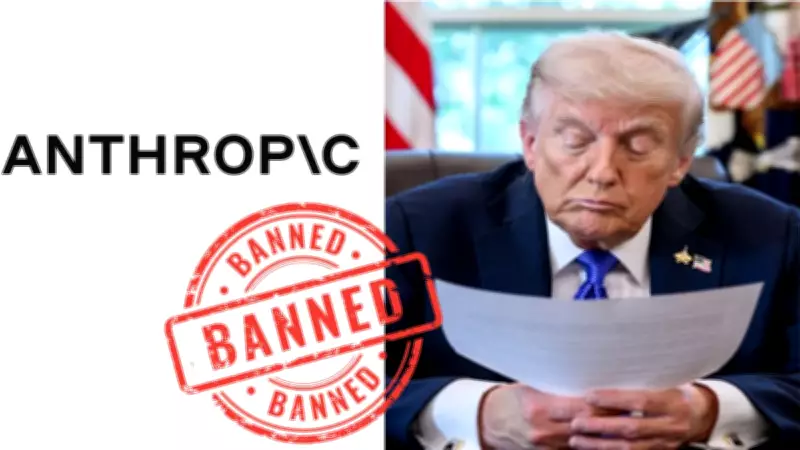
Trump Mandates Federal Agencies to Discontinue Anthropic AI Usage
In a significant move impacting the intersection of government and technology, former President Donald Trump has issued a directive requiring all federal agencies to immediately halt their use of artificial intelligence systems developed by Anthropic. This order, which sets a definitive six-month timeline for complete discontinuation, mandates that all such AI tools be phased out by March 2026.
Immediate Cessation and Structured Phase-Out
The directive calls for an immediate cessation of any new deployments or expansions of Anthropic's AI technologies across federal departments. Agencies are instructed to begin winding down existing implementations without delay, ensuring a structured and orderly transition away from these systems. This six-month phase-out period is designed to provide sufficient time for agencies to identify alternative solutions, retrain staff if necessary, and mitigate any potential disruptions to critical government functions.
Officials have emphasized that the timeline is non-negotiable, with strict compliance expected. The move reflects growing scrutiny over the reliance on specific AI vendors within government operations, particularly those associated with high-profile companies like Anthropic, known for its advanced language models and AI research.

Broader Implications for AI Governance and Security
This decision underscores a broader shift in how artificial intelligence is governed and secured at the federal level. By mandating the removal of Anthropic's AI, the order highlights concerns that may include data privacy, national security risks, or competitive market dynamics. It signals a potential reevaluation of vendor relationships and the ethical frameworks guiding AI adoption in public sector applications.
Experts suggest that this could prompt other agencies and even private sector entities to reassess their AI partnerships, fostering a more cautious approach to technology integration. The phase-out may also accelerate innovation as agencies seek out diverse AI providers, potentially boosting domestic tech firms and enhancing cybersecurity protocols.
Looking Ahead: The Future of Federal AI Use
As the March 2026 deadline approaches, federal agencies are expected to ramp up efforts to transition to alternative AI systems. This period will likely involve extensive audits of current AI usage, development of new procurement guidelines, and increased oversight to ensure compliance. The move could set a precedent for future administrations, influencing long-term policies on artificial intelligence in government.
In summary, Trump's order marks a pivotal moment in federal technology policy, with immediate effects on AI utilization and broader ramifications for governance and security in the digital age.