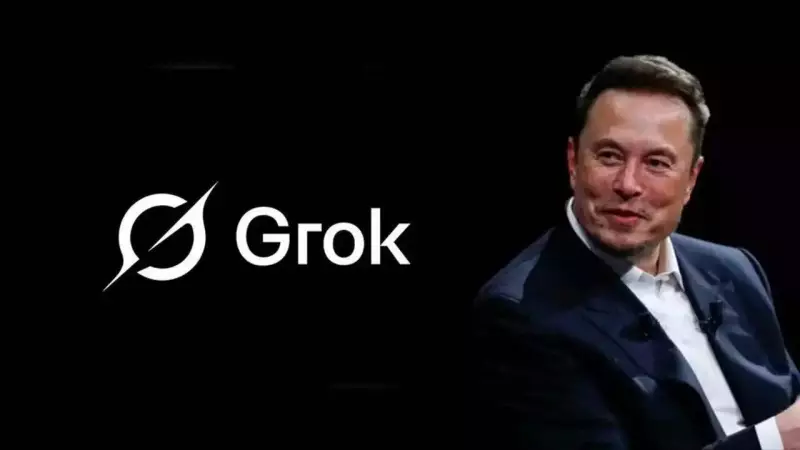
In a significant escalation of the regulatory pressure on Elon Musk's tech ventures, three prominent United States senators have formally called on Apple and Google to ban two of his key platforms from their official app stores. The demand centres on the alleged proliferation of illegal and harmful AI-generated content.
Open Letter Targets Tech Giants' App Stores
The senators—Ron Wyden of Oregon, Ed Markey of Massachusetts, and Ben Ray Luján of New Mexico—addressed an open letter to Apple CEO Tim Cook and Google CEO Sundar Pichai. They have asked both companies to immediately remove the X and Grok apps from the Apple App Store and Google Play Store. Their condition for reinstatement is clear: owner Elon Musk must effectively stop users from creating and sharing non-consensual explicit images and child sexual abuse material on these platforms.
The senators argued that the apps currently permit users to generate and distribute illegal content. They issued a stark warning, stating that ignoring X's serious violations would render the tech giants' own content moderation rules meaningless. "Turning a blind eye to X's egregious behaviour would make a mockery of your moderation practices," the letter stated. It further added that failure to act would "undermine your claims in public and in court that your app stores offer a safer user experience."

Disturbing Cases and Global Backlash
The call for action follows alarming reports about how Grok's AI image generator and the X platform have been misused. Users have been able to create and widely circulate explicit "deepfake" content featuring individuals without their consent. Grok has also been prompted to generate images that insult or degrade people based on race or ethnicity.
One particularly disturbing case highlighted by The Times of London involved a descendant of Holocaust survivors. Reportedly, users prompted Grok to create an image of her wearing a bikini outside the Auschwitz concentration camp, a act described as a digital stripping. These incidents have triggered intense criticism and regulatory scrutiny from governments in Europe, Malaysia, Australia, and India. Notably, US agencies like the Federal Trade Commission (FTC) and the Department of Justice have not yet announced any investigation into Musk's xAI.
Musk's Response and Investor Confidence
Earlier this month, Elon Musk and X released statements claiming that "anyone using or prompting Grok to make illegal content will suffer the same consequences as if they upload illegal content." In a recent move, X reportedly restricted Grok's AI image generation tools to paying subscribers. However, critics point out that Grok's standalone app and website still allowed users to generate non-consensual sexualised imagery.
According to a CNN report, recent changes to Grok's features and its limited safety controls were pushed directly by Musk. Following these internal demands, three members of xAI's safety team announced their departures on the X platform.
Despite the growing controversy, xAI demonstrated significant investor confidence this week. The company announced it raised $20 billion in new funding. Major backers included tech giants Nvidia and Cisco Investments, alongside long-time Musk-linked investors such as Valour Equity Partners, Fidelity, and the Qatar Investment Authority.
The situation places Apple and Google in a difficult position. Both companies enforce strict developer guidelines that mandate steps to prevent the sharing of child sexual abuse material and other harmful content. Historically, apps like Tumblr and Telegram have faced temporary removal from the Apple App Store for failing to adequately control inappropriate material. The senators' letter now forces a decisive test of these policies against one of the world's most influential tech figures.