The so-called 'jihadi drug' Captagon has emerged as a significant concern for global security and public health. This amphetamine-type stimulant, originally developed in the 1960s for medical use, has been increasingly linked to conflicts in the Middle East, particularly in Syria and Iraq. The drug is known for its ability to enhance alertness and suppress appetite, making it attractive to combatants who need to endure long hours of fighting.
What Is Captagon?
Captagon is the brand name for fenethylline, a synthetic drug that produces effects similar to amphetamines. It was once prescribed for conditions like hyperactivity and narcolepsy but was banned in many countries due to its high potential for abuse. Illicit production has surged in the Middle East, with laboratories often located in Syria and Lebanon.
Why Is It Called the 'Jihadi Drug'?
The term 'jihadi drug' gained traction after reports that militants, including those from the Islamic State (ISIS), used Captagon to enhance performance during attacks. The drug is believed to reduce fear, increase aggression, and allow fighters to operate for extended periods without sleep. However, experts caution that the link between Captagon and terrorism is often overstated, as the drug is also widely used recreationally in the region.

Health Risks and Side Effects
Captagon use carries severe health risks. Short-term effects include increased heart rate, high blood pressure, and insomnia. Long-term abuse can lead to addiction, psychosis, depression, and cardiovascular problems. The drug's potency varies widely due to unregulated production, increasing the risk of overdose.
Trafficking Routes and Scale
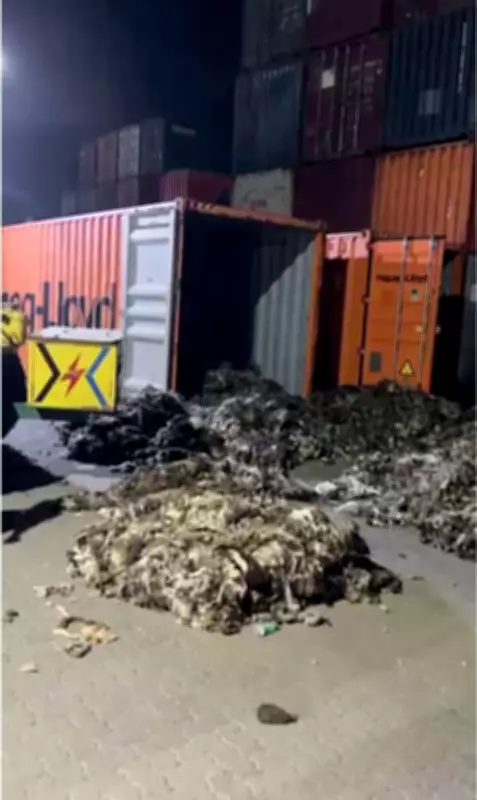
Captagon trafficking has become a multi-billion-dollar illicit industry. Most production occurs in Syria and Lebanon, with shipments smuggled through neighboring countries to markets in the Arabian Peninsula, particularly Saudi Arabia and the United Arab Emirates. Authorities have seized large quantities, including a 2021 interception of 84 million pills in Saudi Arabia. The drug is often hidden in shipments of legitimate goods, such as fruits, vegetables, and building materials.
International Response
Governments and international organizations are stepping up efforts to combat Captagon trafficking. The United Nations Office on Drugs and Crime (UNODC) has called for coordinated action to dismantle production labs and disrupt supply chains. Sanctions have been imposed on individuals and entities involved in the trade. However, the ongoing conflict in Syria complicates enforcement, as drug profits are believed to fund various armed groups.
Challenges in Addressing the Issue
One major challenge is the lack of awareness about Captagon's dangers in some regions. Additionally, the drug's production is relatively simple and requires easily obtainable precursor chemicals. The involvement of state and non-state actors in the trade further complicates efforts to curb it.
Conclusion
Captagon represents a multifaceted threat, fueling conflict, funding terrorism, and endangering public health. A comprehensive response is needed, combining law enforcement, public health campaigns, and diplomatic efforts to address the root causes of its production and trafficking. As the drug continues to spread, global cooperation will be essential to mitigate its impact.