PIB Exposes AI-Generated Deepfake Video Targeting Indian Army Chief
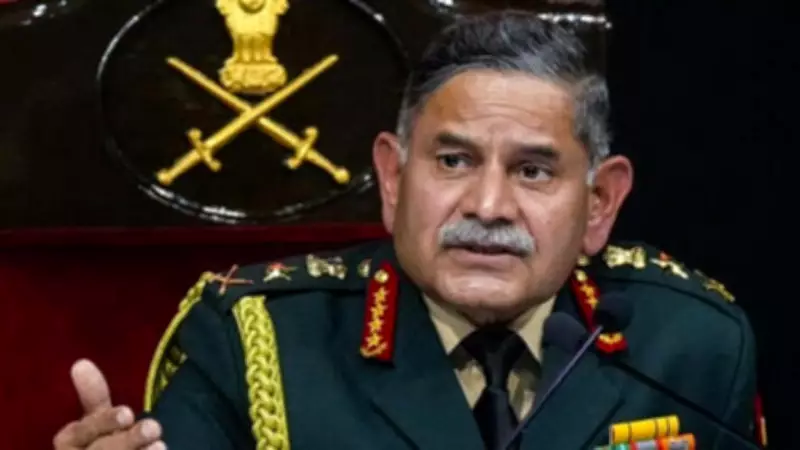
The Press Information Bureau (PIB) has issued a crucial fact-check, definitively labeling a widely circulated video as an AI-generated deepfake. This manipulated footage falsely portrays Chief of Army Staff General Upendra Dwivedi making inflammatory statements about India's involvement in the Iran-Israel conflict.
Details of the Fabricated Content
The viral video, which spread rapidly across social media platforms, depicted General Dwivedi allegedly claiming that the Indian government had shared the real-time location of Iranian ships with Israeli authorities. This purported statement was presented in a manner designed to suggest covert military cooperation and to inflame geopolitical tensions.
The PIB's investigation, conducted by its dedicated Fact Check unit, employed advanced digital forensic analysis. Experts scrutinized the video's metadata, audio waveforms, and visual artifacts. The conclusive findings revealed clear hallmarks of sophisticated artificial intelligence manipulation, including inconsistencies in lip-syncing, unnatural facial movements, and audio anomalies that are not present in authentic recordings of the Army Chief.

Official Response and Clarification
In its official statement, the PIB strongly refuted the video's authenticity, categorically stating that "the claim made in the video is false and the video itself is manipulated." The bureau emphasized that no such statement was ever made by General Upendra Dwivedi or any official representative of the Indian Army.
The Indian Army has maintained a consistent position of neutrality and non-interference in the ongoing Iran-Israel conflict, focusing solely on national security and regional stability. This deepfake represents a deliberate attempt to undermine that position and spread disinformation.
The Growing Threat of AI-Powered Misinformation
This incident highlights the escalating danger posed by hyper-realistic deepfake technology in the digital information ecosystem. Key concerns raised by cybersecurity analysts include:
- The potential for such content to damage diplomatic relations and national security.
- The challenge for the public in distinguishing between genuine and fabricated media.
- The urgent need for robust verification mechanisms and public awareness campaigns.
Authorities have urged citizens to exercise extreme caution and to verify information through official channels like the PIB Fact Check website or its social media handles before sharing any potentially sensitive content. The proliferation of such deepfakes targeting high-ranking officials and national institutions is viewed as a serious threat to public trust and information integrity.