

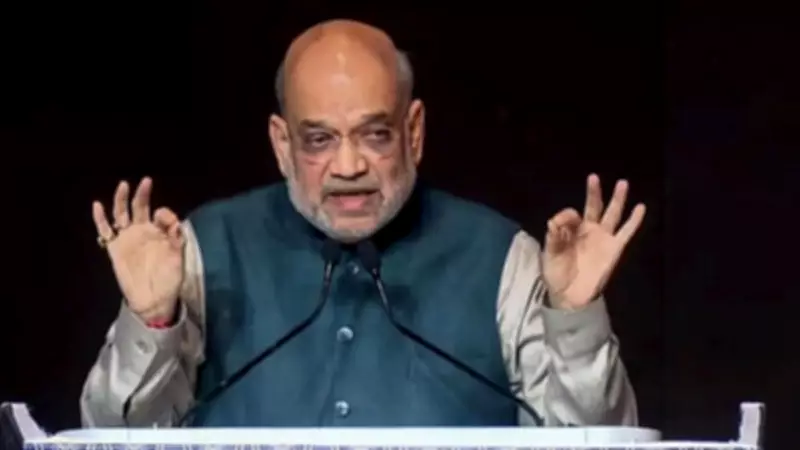
Amit Shah Declares Cyber Security Integral to National Security Framework
Union Home Minister Amit Shah has unequivocally stated that cyber security is an integral component of India's national security. In a significant address, Shah highlighted the critical role that digital defense plays in safeguarding the nation's sovereignty and interests in the modern era.
Progress Acknowledged, But More Work Needed
Shah provided a detailed assessment of India's current standing in the fight against cyber threats. He acknowledged that the country has definitely made progress in several key areas. Specifically, he pointed to advancements in:
- Action against cybercriminals: Enhanced legal and operational measures to identify, apprehend, and prosecute individuals and groups engaged in malicious cyber activities.
- Criminal justice processes: Improvements in the judicial framework and investigative procedures to handle cybercrime cases more efficiently and effectively.
- Money recovery cases: Successful efforts in tracing and recovering funds lost to online fraud, scams, and financial cybercrimes, providing relief to victims.
However, Shah was clear that this progress, while commendable, is not sufficient. He emphasized that there is still a pressing need to strengthen many dimensions more effectively. The Home Minister did not specify the exact areas requiring enhancement, but his statement implies a call for greater investment, innovation, and coordination in cyber security initiatives.

The Evolving Threat Landscape
The minister's remarks come at a time when cyber threats are becoming increasingly sophisticated and pervasive. From state-sponsored attacks and terrorism financing to ransomware targeting critical infrastructure and data breaches affecting millions of citizens, the challenges are multifaceted. Shah's focus on integrating cyber security into national security underscores the government's recognition that digital vulnerabilities can have real-world consequences for economic stability, public safety, and geopolitical standing.
This perspective aligns with global trends where nations are bolstering their cyber defenses as part of comprehensive security strategies. India's efforts, as noted by Shah, reflect a proactive approach, but the call for further strengthening suggests that the battle is ongoing and requires continuous adaptation.
Implications for Policy and Implementation
Shah's statement is likely to influence upcoming policies and initiatives in the cyber security domain. It signals a top-down prioritization from the government, which could lead to:
- Increased funding and resources for cyber security agencies and research.
- Enhanced collaboration between government bodies, private sector entities, and international partners.
- Stricter regulations and frameworks to combat emerging cyber threats and protect digital assets.
- Public awareness campaigns to educate citizens and businesses on cyber hygiene and safety practices.
As India continues to digitize its economy and governance under initiatives like Digital India, robust cyber security measures become non-negotiable. Shah's address serves as a reminder that in the digital age, national security is inextricably linked to the security of our cyberspace.






