Bhopal Cyber Police Issue Urgent Advisory Against Board Exam Paper Scams
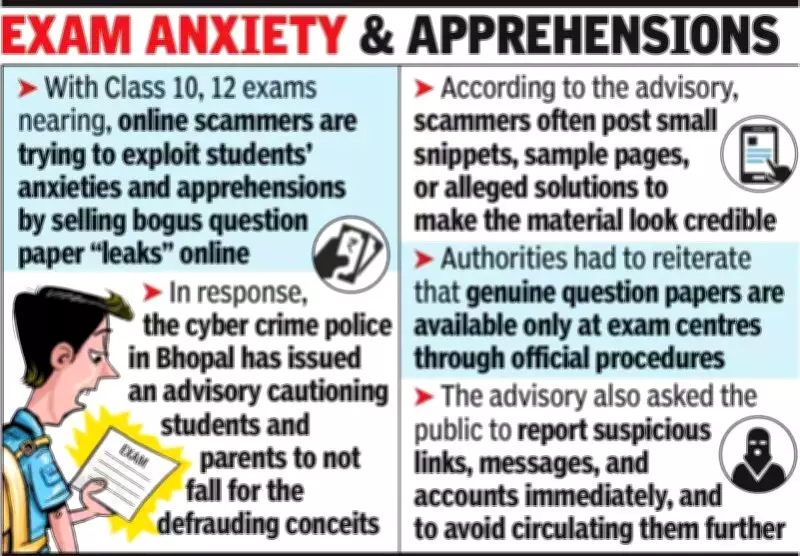
With Class 10 and 12 board examinations approaching rapidly, cyber criminals in Bhopal are actively exploiting the heightened anxiety and apprehension among city students regarding leaked question papers. These fraudsters are circulating fake and suspicious links and documents through popular messaging and social media platforms including Telegram, WhatsApp, and Instagram, targeting vulnerable students and their families.
How the Scam Operates
According to the detailed advisory released by the Bhopal cyber crime police, these sophisticated fraudsters are sharing bogus examination papers while falsely claiming they represent authentic leaks from official sources. In reality, these documents are completely fabricated with the sole intention of cheating students and parents out of their hard-earned money.
Officials explained that scammers typically employ a multi-stage approach to make their schemes appear credible:

- Initially posting small snippets, sample pages, or alleged solutions to examination questions
- Gradually building trust with potential victims through these seemingly legitimate materials
- Eventually demanding substantial payments for access to the full question paper or exclusive private groups
Serious Consequences Beyond Financial Loss
The cyber cell emphasized that falling for these fraudulent schemes carries severe consequences that extend far beyond mere financial loss. Police specifically warned that this deceptive tactic can potentially jeopardize students' academic futures and career prospects. The advisory clearly noted that dealing in or purchasing allegedly leaked examination papers constitutes a criminal offence under Indian law and can attract strict legal penalties and prosecution.
Authorities had to reiterate the fundamental truth that genuine question papers are available exclusively at designated examination centres through official procedures established by educational boards. No legitimate leaks occur through unofficial channels or social media platforms.
Official Recommendations for Students and Parents
The cyber crime police provided specific guidance for both students and parents to protect themselves from these sophisticated scams:
- Students should focus their energy on legitimate preparation rather than seeking shortcuts through questionable sources
- All examination-related information should be obtained exclusively from official board websites, authorized school channels, and recognized educational authorities
- Students must avoid purchasing, sharing, or forwarding any suspicious examination materials from unknown or unverified sources
- Parents should remain particularly alert to psychological pressure tactics and emotional manipulation employed by scammers
Police highlighted several red flags that parents should watch for, including claims of limited time offers, guaranteed high marks, or confirmed leaks from inside sources. These are classic manipulation techniques used by fraudsters to create urgency and bypass rational decision-making.
Reporting Mechanisms and Immediate Actions
The advisory concluded with clear instructions for reporting suspicious activities and seeking assistance:
- The public is urged to immediately report any suspicious links, messages, or social media accounts to authorities
- People should avoid circulating questionable materials further, as this inadvertently assists the scammers
- Anyone who becomes a victim of cyber fraud should contact the official cyber helpline without delay
- Formal complaints can be filed through the government's official cybercrime reporting portal for proper investigation
The Bhopal cyber crime police emphasized that vigilance, skepticism toward too-good-to-be-true offers, and reliance on official channels remain the most effective defenses against these increasingly sophisticated examination-related cyber frauds targeting students during this critical academic period.