Census 2027 Introduces QR Code Verification Amid Cyber Fraud Concerns
In a significant move to enhance security and combat cyber fraud, the upcoming Census 2027 will incorporate QR code verification for all door-to-door enumeration activities. This initiative is specifically designed to make the enumeration process more secure and effective, particularly in areas under the Municipal Corporation of Delhi (MCD), where the exercise is scheduled to commence on May 16.
The decision comes in response to growing concerns over cyber fraud, where impersonators have been known to pose as census officials to gain access to homes and personal information. By adding a QR code verification system, authorities aim to provide residents with a reliable method to verify the identity of census workers, thereby reducing the risk of fraudulent activities.
How the QR Code System Works
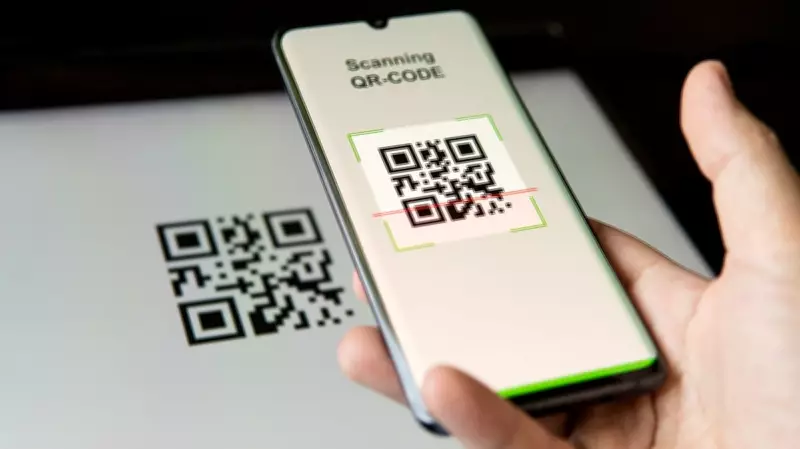
Under the new system, each census enumerator will be issued a unique QR code linked to their official credentials. When an enumerator visits a household, residents can scan the QR code using a smartphone to instantly verify the enumerator's identity and authorization. The system will display the enumerator's name, photograph, and official designation, along with the specific census zone they are assigned to. This real-time verification is expected to build trust and encourage greater participation in the census process.

Implementation Timeline and Scope
The QR code verification will first be implemented in the MCD areas, with the door-to-door enumeration beginning on May 16. The initiative is part of a broader effort to modernize the census process and incorporate digital tools to enhance security. Following the initial rollout in Delhi, the system is expected to be expanded to other parts of the country in subsequent phases. The Census 2027 aims to cover every household in India, and the use of QR codes is a key step toward ensuring the integrity of the data collection process.
Addressing Cyber Fraud Concerns
Cyber fraud has become a growing concern in India, with criminals increasingly using sophisticated methods to deceive individuals. The Census Department has been proactive in addressing these risks by adopting technology-driven solutions. The QR code system not only helps in verifying enumerators but also serves as a deterrent to potential fraudsters. Residents are advised to always scan the QR code before allowing any census official into their homes and to report any suspicious activity to the authorities immediately.
Public Response and Expectations
The announcement has been met with positive reactions from residents and civic groups, who view it as a necessary step to protect citizens from fraud. Many have expressed hope that the system will be implemented smoothly and that similar measures will be adopted for other government initiatives. The Census Department has assured that the QR code system is user-friendly and accessible to all, including those with limited technological literacy, through simple instructions and support helplines.