

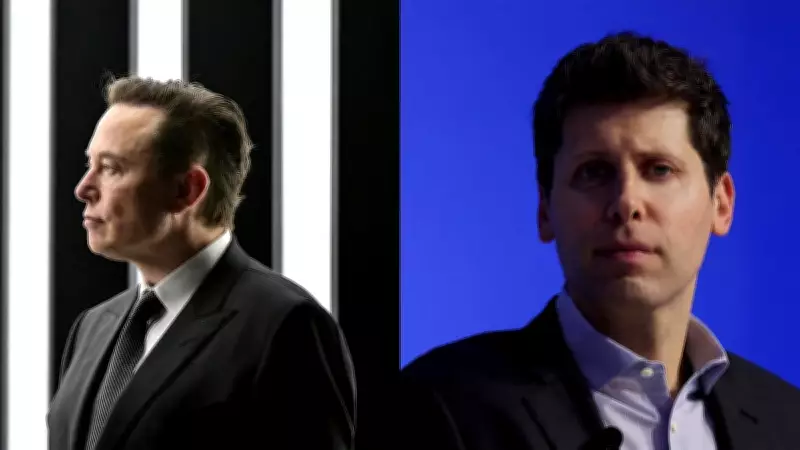
Elon Musk's legal battle against Sam Altman is poised to expose the ongoing power struggle for control of OpenAI, the artificial intelligence research lab. The trial, which has captured the attention of the tech world, will delve into the internal conflicts and competing visions that have shaped the organization's trajectory.
Background of the Dispute
The dispute traces back to the founding of OpenAI in 2015, when Musk, Altman, and other tech luminaries established the lab as a non-profit dedicated to developing AI for the benefit of humanity. However, tensions soon emerged over the direction and governance of the organization. Musk stepped down from the board in 2018, citing potential conflicts with his role at Tesla. Since then, OpenAI has undergone significant changes, including the creation of a for-profit arm and a massive investment from Microsoft.
Key Allegations
Musk's lawsuit alleges that Altman and the current leadership have strayed from OpenAI's original mission, prioritizing commercial interests over ethical considerations. The complaint accuses Altman of misleading the public about the safety of AI systems and of engaging in self-dealing. Altman has denied these claims, asserting that OpenAI remains committed to its founding principles.

Implications for the AI Industry
The trial is expected to have far-reaching implications for the AI sector. It could set precedents for how AI companies are governed and held accountable. Moreover, the case highlights the broader debate over the risks and benefits of advanced AI, with critics warning that unchecked development could lead to catastrophic outcomes.
What to Expect in Court
Legal experts anticipate a highly contentious trial, with both sides presenting extensive evidence and expert testimony. Key witnesses may include former OpenAI employees, board members, and industry insiders. The proceedings are likely to reveal internal communications and decision-making processes that have been kept confidential.
As the trial unfolds, the tech community will be watching closely for insights into the power dynamics at OpenAI and the future of AI governance. Regardless of the outcome, the case underscores the challenges of aligning profit motives with ethical imperatives in the rapidly evolving field of artificial intelligence.






