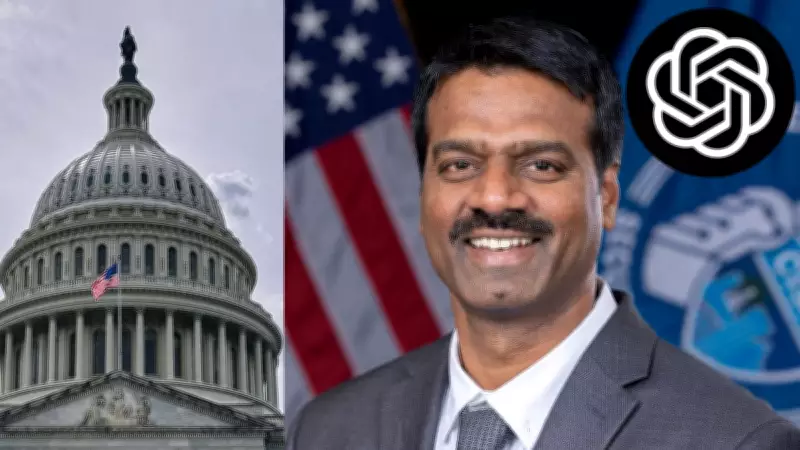
US Cybersecurity Agency Head Faces Criticism Over ChatGPT Usage in Official Documents
The director of the United States Cybersecurity and Infrastructure Security Agency (CISA) is currently embroiled in controversy following revelations that he utilized the artificial intelligence chatbot ChatGPT to prepare and draft official government documents. This development has sparked significant debate and concern within cybersecurity circles and among policymakers regarding the appropriate use of AI tools in sensitive governmental operations.
Details of the Controversy
According to recent reports, the agency head employed ChatGPT, a large language model developed by OpenAI, to assist in creating various official documents. These documents are believed to include internal memos, policy drafts, and potentially communications related to critical infrastructure security. The use of such AI technology in this context has raised immediate red flags about data privacy, security protocols, and the integrity of governmental processes.
Critics argue that relying on an external AI platform for official work could expose classified or sensitive information to third-party servers, creating potential vulnerabilities. There are also concerns about the accuracy and reliability of AI-generated content in formal governmental contexts, where precision and accountability are paramount.

Broader Implications for AI Security
This incident highlights a growing tension between the rapid adoption of artificial intelligence tools and the stringent security requirements of national cybersecurity agencies. As AI becomes more integrated into daily workflows, government entities worldwide are grappling with establishing clear guidelines and boundaries for its use.
The controversy underscores several key issues:
- Data Security Risks: Inputting official information into commercial AI platforms may compromise confidentiality.
- Accountability Concerns: Determining responsibility for AI-generated content in official documents poses legal and ethical challenges.
- Policy Gaps: Many government agencies lack comprehensive policies regulating AI usage in sensitive work.
- Trust Erosion: Public and institutional trust may be undermined if AI is perceived as replacing human oversight in critical areas.
Reactions and Potential Consequences
The revelation has prompted calls for investigations and reviews of AI usage policies within CISA and other federal agencies. Cybersecurity experts emphasize that while AI can be a valuable tool for analysis and efficiency, its application in drafting official documents requires careful consideration of security implications.
Some observers note the irony of a cybersecurity leader potentially compromising security protocols through technology use. This case may lead to stricter regulations and oversight mechanisms for AI deployment in government settings, balancing innovation with security imperatives.
The ongoing scrutiny reflects broader global discussions about AI governance, particularly in sectors dealing with national security and critical infrastructure. As artificial intelligence capabilities advance, establishing robust frameworks for its ethical and secure use remains a pressing challenge for governments worldwide.