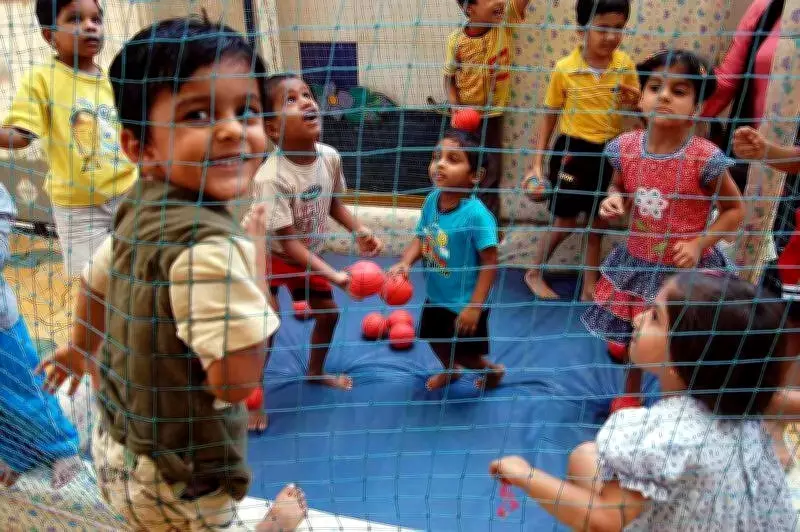
The Andhra Pradesh government is set to launch a pilot project establishing urban creches—daycare centres for young children of working mothers—in the municipal corporations of Greater Visakhapatnam, Vijayawada, and Tirupati.
Initiative Overview
Led by the municipal administration and urban development department, the initiative aims to provide safe and accessible childcare services for children aged six months to six years, specifically targeting families from self-help groups (SHGs) and urban poor households.
Pilot Details
Officials stated that approximately 15 creches will be established under the pilot programme. Each creche will accommodate about 25 children, serving nearly 375 beneficiaries in total. The project will be implemented over a 12-month period with an estimated budget of ₹1.5 crore.

Municipal commissioners have been directed to identify suitable locations within existing public infrastructure, such as community halls and municipal buildings. Priority will be given to slums, labour clusters, and areas with a high concentration of SHG households.
Implementation Partners
The programme will be executed by the Mission for Elimination of Poverty in Municipal Areas (MEPMA) in collaboration with Mobile Creches as the technical partner, and in coordination with the women development and child welfare department.
Services Provided
Each centre will offer childcare, nutrition support, and early learning services. Additionally, linkages will be established with existing government systems such as the Integrated Child Development Services (ICDS) and the health department. Anganwadi workers, auxiliary nurse midwives (ANMs), and urban health centres will support services including immunisation tracking, growth monitoring, and referrals.
Expected Benefits
Officials highlighted that the initiative is expected to ease childcare challenges for working women, improve workforce participation, and reduce the burden on families. It also aims to prevent older siblings, especially girls, from dropping out of school to care for younger children.
Additional Opportunities
The government is also exploring the involvement of SHG women in managing the centres, thereby creating additional livelihood opportunities.