The Chandigarh Administration has taken a major step towards integrating skill-based learning into mainstream education by expanding skill elective courses to all 42 government senior secondary schools starting from the academic session 2026-27. This move marks a significant milestone in implementing the National Education Policy (NEP) 2020 and aligns with the Central Board of Secondary Education's vision for vocational education.
Ending Limited Availability
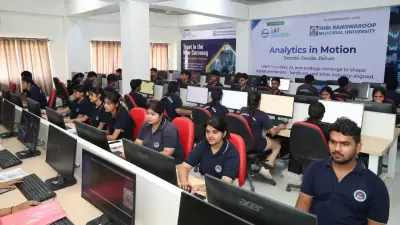
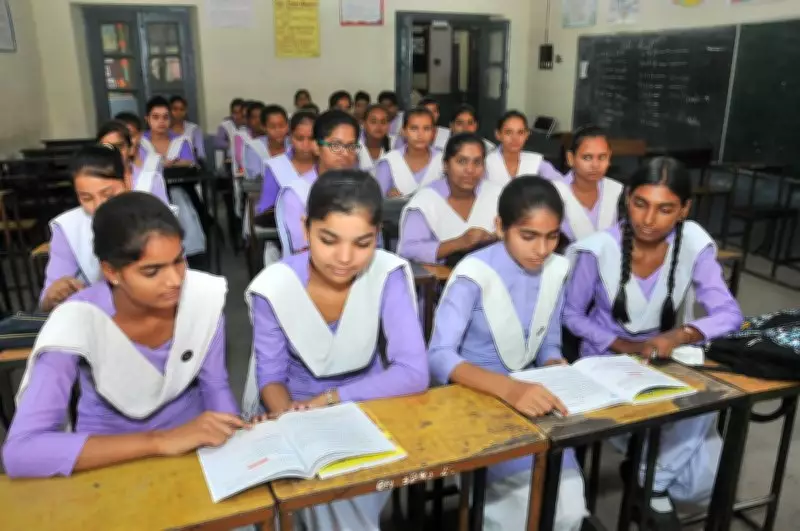
Previously, vocational education was available only in 23 government senior secondary schools. With this expansion, skill-learning opportunities are now open to students across science, commerce, and humanities streams throughout the city. Students can choose from a basket of 30 skill elective courses covering emerging technologies, commerce, healthcare, hospitality, design, wellness, and technical trades.
Wide Range of Electives
The courses include high-demand subjects such as artificial intelligence, information technology, web applications, banking, marketing, financial market management, business administration, and healthcare. Other sectors covered include tourism, food production, fashion studies, beauty and wellness, yoga, electrical technology, electronics, automotive, air conditioning and refrigeration, front office operations, and salesmanship.

Bridging the Gap
Officials stated that the initiative aims to bridge the gap between classroom learning and industry requirements by equipping students with practical skills, workplace exposure, and career awareness at the school level. The programme is expected to strengthen employability, entrepreneurship, and informed career decision-making among students as the economy shifts towards skill-driven opportunities.
Additional Trainers and Investment
To support the expansion, the administration will engage 38 additional part-time skill trainers, supplementing the existing workforce of 110 regular and contractual vocational educators. The initiative involves an estimated expenditure of about ₹1.2 crore.
Rationalisation of Seats
The Department of School Education has rationalised and reallocated 1,755 vocational seats across different streams. This exercise will increase the overall Class XI intake in government schools from 13,875 to 13,920 seats, providing greater flexibility for students to choose academic and skill combinations aligned with their interests and career aspirations.
Expert Endorsement
Education experts have long advocated for wider integration of vocational subjects in schools, arguing that early exposure to practical skills improves students' readiness for higher education, professional training, and employment. The NEP 2020 emphasises vocational education and experiential learning as key pillars of school reforms, aiming to make skill education accessible to a large proportion of learners.
Official Statement
School Education Secretary Prerna Puri said the initiative reflects the department's commitment to holistic education and ensures that every child not only performs well academically but also develops relevant life and career skills. She added that the expanded programme will help students become confident, self-reliant, and future-ready citizens. The department has undertaken extensive planning for implementation, including deployment of trained instructors, academic support mechanisms, and continuous monitoring to ensure quality delivery in accordance with CBSE standards.
Significant Step
With skill education now available in every government senior secondary school, Chandigarh has taken a significant step towards mainstreaming vocational learning and creating a more flexible, multidisciplinary school education system. The reform is expected to widen career pathways for students while aligning education outcomes with the demands of a rapidly evolving job market.