

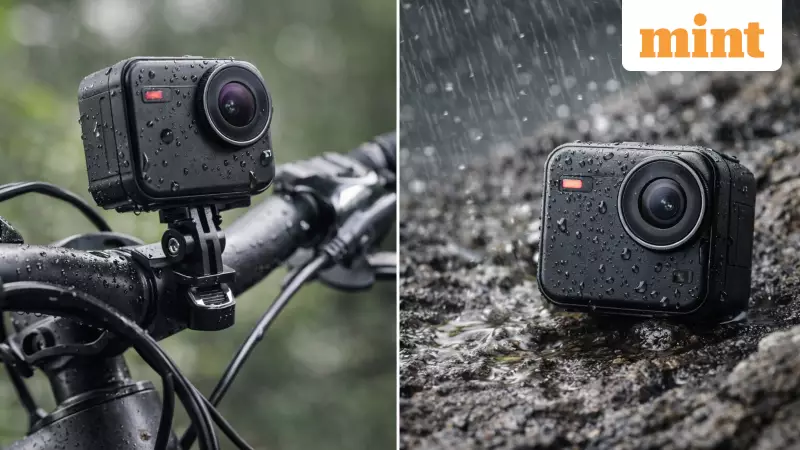
When you think of an action camera, your mind likely jumps to images of daredevils leaping from cliffs or mountain bikers tackling rugged terrain. However, the real purpose of these compact, rugged devices is far more practical and accessible to the average person in India. Published on 9 January 2026, 06:28 PM IST by Bharat Sharma, the original analysis clarifies that these cameras are engineered for scenarios where your smartphone becomes inconvenient, risky, or simply incapable of capturing stable footage.
Beyond Extreme Sports: The Real-World Users
The core design of an action camera addresses specific challenges: intense movement, adverse weather, and the need for hands-free operation. Their tiny form factor, wide field of view, aggressive stabilization, and durable build are the key features. The marketing showcasing extreme athletes came much later.
So, who in the Indian context truly benefits from owning one? The answer lies in daily activities where both hands are occupied or the environment is demanding.

Cyclists and bike commuters use them to navigate unpredictable traffic, as phones cannot survive constant handlebar vibrations. Hikers and trekkers appreciate the ability to record long trails without draining their primary phone's battery or worrying about sudden rain, especially during monsoon treks in the Western Ghats or Himalayas.
Parents find them invaluable at beaches, pools, or crowded festivals where a phone is a slippery liability. Even daily commuters strap them to scooters or bikes for the peace of mind that comes with a continuous dashcam-like recording.
The Creator's Tool: Not Just for YouTubers
This extends to everyday creators—people who enjoy documenting life without holding a device. Think of cooking POV shots for Instagram Reels, DIY repair tutorials for the home, behind-the-scenes clips of a local event, or travel vlogs from Indian streets and markets where you don't want your arm blocking the view. An action camera operates in a sweet spot between "set it and forget it" and being durable enough to handle chaotic situations. A smartphone often risks a cracked screen, overheating during long recordings, or failing in dusty or wet conditions.
When Your Smartphone is Still the Better Choice
However, an action camera is not a universal upgrade. If your video needs revolve around steady, indoor clips—birthday parties, family gatherings, or pet videos on the couch—your smartphone will consistently deliver superior results.
Action cameras excel with movement but can struggle in static scenarios. Their ultra-wide lens can distort faces when up close, their low-light performance is often weaker, and the footage can look flat compared to the computationally enhanced output from modern phones. For those aiming for cinematic depth, background blur (bokeh), or full manual control, a dedicated mirrorless or DSLR camera remains the correct tool.
The Verdict for the Average Indian Consumer
Most people find themselves in a middle ground. You do not need an action camera unless you regularly encounter situations where your phone is inconvenient, unsafe, or creatively limiting. The decision hinges on your lifestyle. The moment your activities consistently involve motion, exposure to weather, speed, or a genuine need for hands-free recording, this niche gadget transforms into an oddly essential piece of gear. It stops being about extreme sports and starts being about capturing life's active moments—whether that's a chaotic family vacation, a daily bike commute through Bengaluru traffic, or a rainy trek in Meghalaya—with reliability and ease.






