

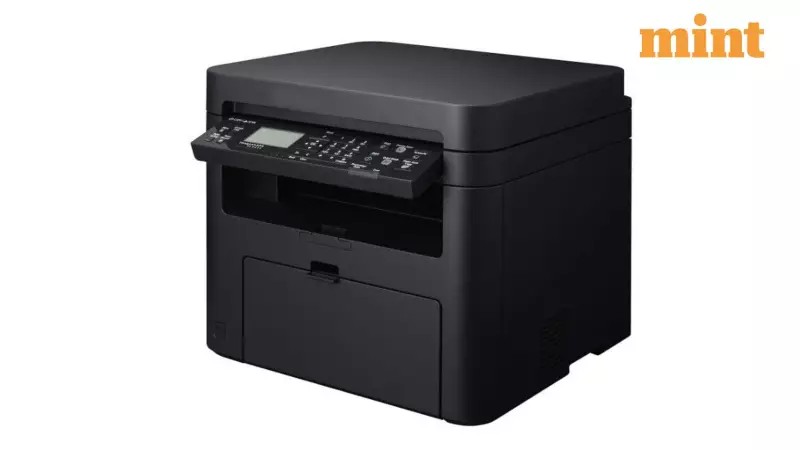
For many Indian households and businesses, the printer sits as a constant source of irritation. What seems like a simple machine—insert paper, press print—often transforms into a device that drains wallets and tests patience within weeks of purchase. The core issue isn't typically a faulty product, but a fundamental mismatch between the buyer's needs and the printer's capabilities.
The High Price of Focusing Only on the Sticker Tag
One of the biggest traps for Indian consumers is getting lured by a low purchase price. An inexpensive inkjet printer might seem like a steal, but the real expense hides in the cartridge replacements. Running costs can surpass the printer's original price in just a few months, especially if the model uses small-capacity cartridges that run dry quickly. For text-heavy printing common in offices and student work, a laser printer, despite a higher initial investment, often provides a significantly lower cost per page. Furthermore, printers that are fussy about paper quality lead to frequent jams and reprints, adding hidden waste to your long-term expenditure.
Misjudging Your Actual Print Volume and Speed
Another critical error is not honestly assessing how much you will print. An optimistic assumption of 'occasional use' clashes with the reality of daily school assignments, office invoices, or shipping labels. Entry-level printers buckle under sustained workloads, leading to slow output, overheating, and breakdowns. Pages-per-minute (PPM) ratings can be misleading, as real-world speed depends on document complexity, network conditions, and the printer's warm-up time. A device that pauses frequently between jobs will feel sluggish, regardless of its advertised speed.

Connectivity and Compatibility: The Invisible Hurdles
In today's connected India, users expect seamless printing from laptops, phones, and tablets. However, compatibility is not a given. Wireless printing convenience can vanish with unreliable Wi-Fi, causing dropped jobs. Some printers require specific mobile apps or drivers that users forget to install until a crisis hits. Offices may face hurdles integrating new printers with older systems or shared networks. Overlooking mobile printing support is a common oversight, forcing users through unnecessary steps when printing directly from a smartphone.
Neglecting the Daily Reality of Maintenance and Usability
Maintenance needs often come as an unpleasant surprise. Printers with complex cleaning cycles, finicky ink cartridges, or frequent calibration demands become a chore. Users can end up spending more time troubleshooting than printing. Ease of use is paramount; confusing control panels, cryptic error messages, and cumbersome software waste valuable time in busy offices and homes. Frequent paper jams and misfeeds, often a design flaw, turn a simple task into a daily frustration.
Colour printing is another area where expectations diverge from reality. Basic printers designed for documents produce dull, inconsistent colours, disappointing users who print photos or vibrant charts. Photo printing requires specific ink systems and paper handling—a capability not found in all-in-one budget models.
Practicalities like the printer's physical size, noise level, and placement are frequently ignored. A bulky model can dominate a small home office, while a noisy one disrupts a quiet workspace. Poor ventilation due to tight placement can lead to overheating and service difficulties.
The key to satisfaction is practical thinking aligned with actual use. By carefully considering long-term running costs, realistic print volume, connectivity needs, and ease of use, Indian buyers can choose a printer that becomes a silent, reliable workhorse. Avoiding these common mistakes ensures your printer supports your work without becoming the centre of it, saving both money and peace of mind in the long run.






