

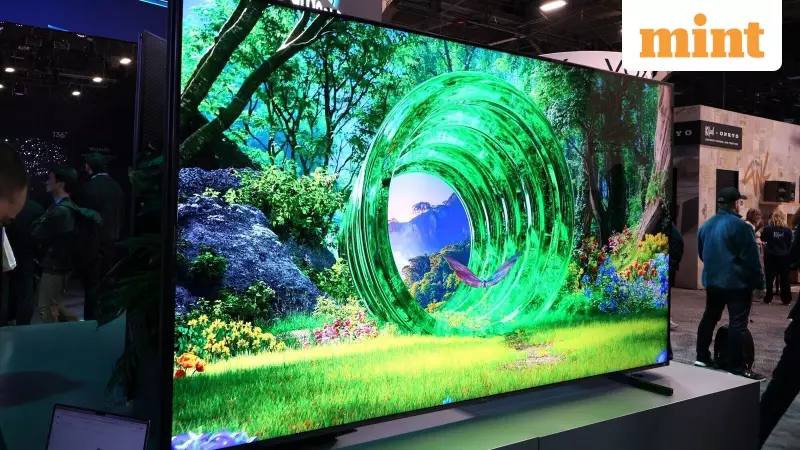
The Consumer Electronics Show (CES) 2026 has once again set the stage for the year's television technology battles. While the event always features extravagant, concept-driven displays, this year's direction from major brands was notably clearer and more consumer-focused. The core trends are unmistakable: OLED manufacturers are aggressively pursuing higher brightness and better reflection handling, while Mini LED makers are countering with advanced RGB backlight systems to preserve colour fidelity at high brightness levels. And, as always, the sheer physical size of screens continues to grow, transforming TVs into statement wall installations rather than mere living room appliances.
A Reality Check: CES Demos vs. Real-World Performance
Before diving into the excitement, a crucial caveat is necessary. CES demonstrations are meticulously controlled environments. The lighting is perfect, the video footage is specially curated, and the TV settings are often far from what a typical user would employ at home. Therefore, every specification and performance claim should be treated as a promise, not a guarantee. The true test will come when final retail units, with their actual pricing and shipping firmware, reach reviewers and consumers' homes.
Spotlight on the Major TV Launches at CES 2026
Several key models from leading brands defined the show floor, each tackling the brightness and colour challenges in distinct ways.

1. LG C6H OLED: A Smart Split for Bigger Screens
LG's C-series, often considered the sweet spot for buyers, has undergone a strategic split. The 77-inch and 83-inch models, now branded C6H, will feature a brighter Primary RGB Tandem OLED panel. In contrast, the smaller sizes will retain the standard W OLED panel. This is a significant shift, making the choice to "go bigger" a tangible upgrade in picture quality, not just screen real estate. Powered by the consistent Alpha 11 Gen 3 processor across the range, the panel itself becomes the key differentiator. If LG maintains sensible pricing, the C6H could be the model that convinces many to upgrade to larger screen sizes.
2. Samsung S95H QD OLED: The Brightness Champion
Samsung's flagship QD-OLED proposition is straightforward: more light. The company claims a 35% peak brightness improvement over its predecessor, the S95F, alongside HDR tone mapping optimized for content mastered up to a staggering 4,000 nits. A practical highlight is its connectivity solution. While ports remain on the TV, the optional Wireless One Connect box can expand HDMI capacity to eight ports—a boon for households juggling multiple consoles, soundbars, and streaming devices. The success of this model hinges on whether the wireless connection introduces any lag or quirks in real-world settings outside the show floor.
3. LG OLED evo G6: Tackling the Glare Problem
The LG G6 serves as a statement that OLED technology still has room to evolve. While its new Primary RGB Tandem 2.0 panel promises a 20% brightness increase over the G5, the bigger story is reflection control. LG claims its Reflection Free Premium technology reduces screen reflectance to under 0.5%. This addresses a major pain point for OLED owners in bright rooms, where glare can quickly undermine the viewing experience. If this reflection handling proves effective in typical living rooms, it represents a meaningful upgrade beyond just spec-sheet numbers.
4. TCL X11L SQD Mini LED: Spec Sheet Dominance
TCL is making a bold play for the high-end spec crown with the X11L. The company is quoting mind-boggling numbers: peak brightness up to 10,000 nits and up to 20,000 local dimming zones. Its SQD Mini LED approach also claims 100% BT.2020 colour coverage, supported by Dolby Vision 2 Max. Premium extras like Bang & Olufsen audio and Dolby Atmos FlexConnect complete the package. This TV is designed to stun in demo rooms, but its ultimate appeal will depend entirely on where TCL positions its price in the market.

5. Hisense 116UXS Mini LED: The Cyan Element Innovation
Hisense is taking a novel path with its RGB MiniLED evo technology by adding a cyan element to the light module. The goal is to enhance colour control, particularly in the blue spectrum, without compromising on brightness. Hisense is making a bold 110% BT.2020 colour claim with this approach. More importantly, the company plans to spread this technology beyond a single flagship into more accessible sizes. If this RGB-plus-cyan tech trickles down without stratospheric pricing, it could be one of the show's most influential developments.
6. LG OLED evo W6: The Art of Integration
The LG W6 shifts focus from raw picture specs to seamless room integration. Reviving the "Wallpaper" concept, it features an ultra-thin panel designed to sit flush against the wall, paired with a wireless Zero Connect box to hide all clutter. Notably, LG is emphasizing built-in audio with a 4.2 channel, 60-watt system, challenging the assumption that premium TV buyers will always add a soundbar. This model redefines "premium" as elegance and the absence of visual mess.
What CES 2026 TV Trends Mean for Indian Buyers
CES 2026 did not crown a single "best TV," but it clearly mapped the competitive landscape. OLED is evolving to combat its traditional weaknesses: brightness and reflections. Meanwhile, Mini LED is maturing by focusing on colour quality with RGB backlights, not just increasing dimming zones. For consumers planning a purchase this year, the advice is clear: exercise patience. Wait for the official pricing in the Indian market and, crucially, for independent reviews and measurements from trusted sources. The most impressive TV on the CES show floor is rarely the best fit for your living room until the marketing hype is weighed against real-world performance and the final price on the receipt.





