

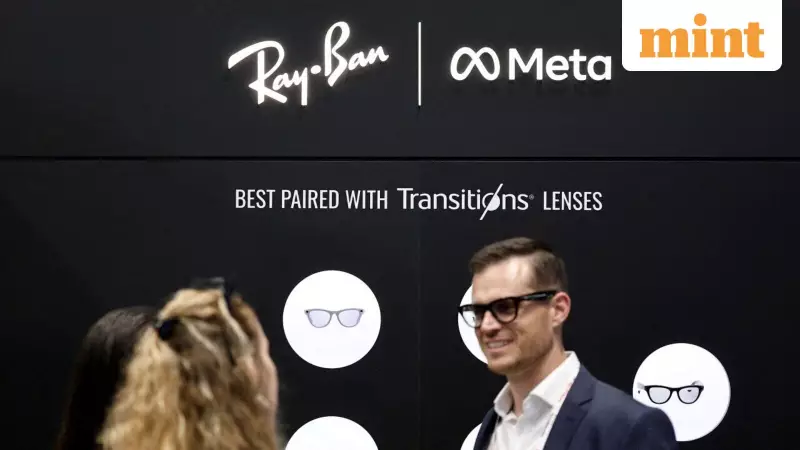
In a significant move highlighting the surging popularity of AI-powered wearables, tech giant Meta has officially paused the planned European and Canadian rollout of its latest Ray-Ban smartglasses. The decision comes as overwhelming demand from American consumers has stretched waitlists well into 2026, forcing the company to prioritise its domestic market.
Unprecedented US Demand Forces Strategic Shift
Meta's communications manager, Lisa Brown Jaloza, confirmed the delay in a blog post. The Ray-Ban Display smartglasses, a product of Meta's partnership with Franco-Italian eyewear titan EssilorLuxottica, were slated to go on sale early this year in key markets including Canada, France, the United Kingdom, and Italy. However, the "unprecedented demand and limited inventory" have led to a strategic reassessment.
"Since launching last fall, we've seen an overwhelming amount of interest, and as a result, product wait lists now extend well into 2026," Brown Jaloza stated. Consequently, the planned international expansion is on hold. The company will now focus entirely on fulfilling existing orders in the United States while it re-evaluates its approach to global availability.

Features Driving the AI Wearables Boom
The Meta Ray-Ban Display, launched in the US last year, represents a leap in wearable technology. Unlike earlier smartglasses, this model integrates a small, discreet display visible from the corner of the wearer's eye. The device allows users to take photos, stream content, and, crucially, access artificial intelligence features like AI assistants through a paired smartphone.
Meta founder and CEO Mark Zuckerberg has positioned these glasses as an industry leader, telling investors recently, "We continue to lead the industry in AI glasses." This sentiment is backed by EssilorLuxottica's own reports, which noted that the partnership with Meta boosted sales, with further acceleration expected as tech-integrated eyewear gains consumer traction.
Broader Implications for the Wearable Tech Race
The delay underscores the intense competition and rapid growth in the AI wearables sector. The success of Meta's glasses has demonstrated a clear market appetite, prompting other tech giants to accelerate their plans. Google is preparing to release its own smart glasses powered by its Gemini large language model later this year, while OpenAI, the creator of ChatGPT, aims to launch a family of AI devices by 2027.
For now, international consumers eager to get their hands on the latest Ray-Ban smartglasses will have to wait indefinitely. Meta's pause is a direct result of its product hitting a sweet spot in the burgeoning wearable tech market, forcing the company to manage supply constraints before looking beyond American shores. EssilorLuxottica has not provided an immediate comment on the rollout delay.






