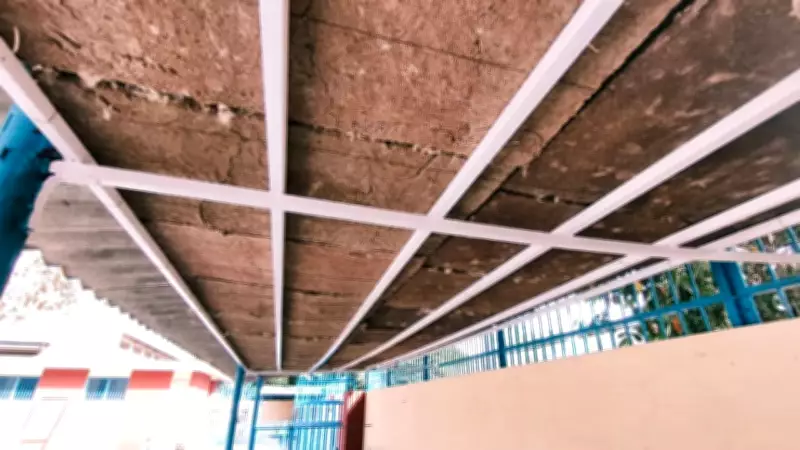
Scientists at the Indian Veterinary Research Institute (IVRI) in Bareilly have developed a low-cost, eco-friendly bio-composite roofing material made from cow dung and waste sheep wool. This innovation significantly reduces heat stress in livestock sheds, potentially benefiting dairy and livestock farmers, especially during peak summer months.
Composition and Production Process
According to researchers, the material is produced by combining dung from indigenous cattle breeds with sheep wool, much of which remains underutilised due to the textile industry's shift towards synthetic fibres. The mixture is blended with a natural binder and compressed into sheets that can be used as roofing for livestock shelters.
"All the materials we have used are completely natural and biological in origin, with no synthetic component. That is what makes this a true bio-composite," said Dr Ayon Tarafdar, scientist at IVRI.

Performance in Trials
Dr Tarafdar added, "In our trials, sheds fitted with this roofing remained significantly cooler, and animals showed lower stress levels, better feed intake and improved growth compared with those housed under conventional roofing."
Researchers noted that the innovation could be particularly useful for small and marginal farmers who cannot afford cooling infrastructure, such as fans or coolers for animal sheds. Reducing heat stress in livestock is associated with improved fertility, higher milk yields, and better disease resistance, according to Dr Tarafdar.
Collaboration and Future Plans
Dr Jaya Qamar, who worked on the project with Dr Tarafdar, said the innovation was the result of sustained collaborative research. "This is the outcome of dedicated work over several months, and we are hopeful it can be scaled up to reach farmers directly once the patent process is complete," she said.
IVRI will apply for a patent for the technology and plans to present the findings before its institute management committee before exploring avenues for commercial production, researchers said.