NASA Set to Unveil Crucial Artemis II Program Update Today
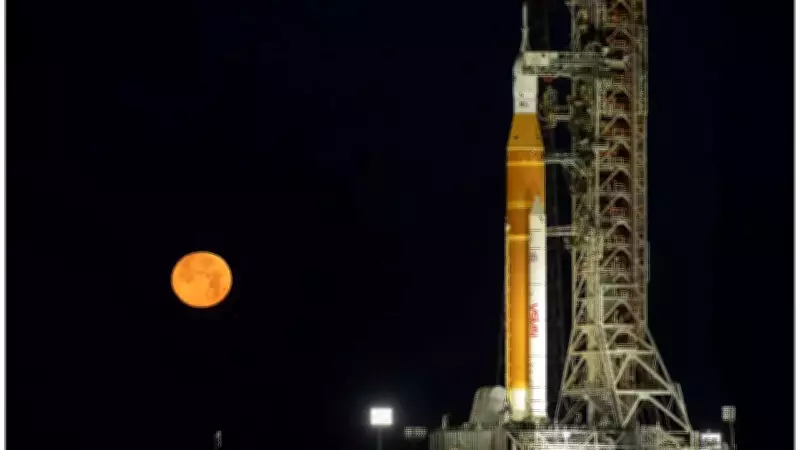
In a significant development for space exploration, NASA is scheduled to release a major update on the Artemis II program later today. This announcement represents a pivotal moment as the agency prepares to send human beings beyond Low Earth Orbit for the first time in decades, marking the initial step in humanity's return to deep space exploration.
Historic Mission Details and Readiness Assessment
According to NASA officials, today's briefing will include an updated launch schedule and comprehensive information regarding the overall readiness of the Orion spacecraft for its inaugural human flight. The planned ten-day journey around the Moon will serve as a critical test of various life support systems onboard Orion, marking the first such evaluation in lunar orbit since the historic Apollo missions concluded.
The Artemis II mission represents a monumental leap forward in space exploration capabilities, with NASA planning to discuss numerous programmatic milestones leading up to the scheduled launch. Additionally, the agency will provide detailed insights into the extensive training regimen that the Artemis II astronaut crew has undergone in preparation for this historic journey.

Flight Readiness Review and Press Conference Details
NASA is conducting a high-priority media press conference today to announce the results of the Artemis II Flight Readiness Review (FRR). This crucial assessment represents the final step in determining whether the Space Launch System (SLS) and Orion capsule will receive official clearance for their groundbreaking crewed mission.
The briefing details are as follows:
- Date: Thursday, March 12, 2026
- Time: 3:00 PM EDT (12:30 AM Sunday, March 13)
- Location: Kennedy Space Centre (to be streamed live on NASA Television)
Key Personnel Leading the Briefing
The conference will feature several prominent leaders responsible for executing and safeguarding this historic mission:
- Jared Isaacman: NASA Administrator
- Lori Glaze: Acting Associate Administrator, Exploration Systems Development
- John Honeycutt: Chair, Artemis II Mission Management Team
- Shawn Quinn: Manager, Exploration Ground Systems Program
- Norm Knight: Director, Flight Operations Directorate
Mission Timeline and Objectives
Artemis II is currently anticipated to launch in April 2026, with the mission expected to last approximately ten days. While the specific launch timeframe remains dependent on the outcomes of ongoing readiness reviews, today's announcement will provide more definitive information about the mission schedule.
Contrary to some expectations, Artemis II will not involve a lunar landing. Instead, the mission will consist of a lunar flyby, during which the crew will orbit Earth twice before executing a Trans Lunar Injection maneuver to swing around the far side of the Moon. The spacecraft will approach within approximately 8,889 kilometers (5,523 miles) of the lunar surface—closer than any human has traveled since 1972—but will not touch down.
Strategic Importance for Future Lunar Exploration
This mission serves as an essential test run for the subsequent Artemis III mission, which aims to achieve a crewed landing on the lunar surface by 2027 or 2028. Today's announcement represents a critical milestone in NASA's sustainable commitment to establishing a long-term human presence on the Moon, paving the way for future deep space exploration missions and confirming the agency's dedication to advancing human spaceflight capabilities beyond previous achievements.
The Artemis II update comes at a crucial juncture in space exploration history, as NASA prepares to demonstrate new technologies and operational procedures that will enable sustained human presence beyond Earth's immediate vicinity. The successful completion of this mission will validate systems and processes essential for future lunar surface operations and eventual missions to Mars and beyond.