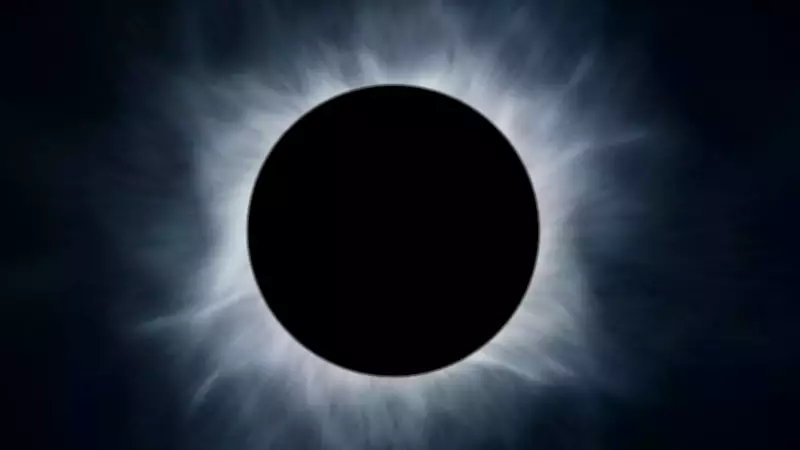
Total Lunar Eclipse to Grace Indian Skies on March 3, 2026
A significant astronomical event is set to captivate observers across India as a total lunar eclipse will occur on Tuesday, March 3, 2026. This celestial phenomenon, where the Moon completely enters Earth's umbral shadow, promises a spectacular display for skywatchers nationwide.
Detailed Timing and Magnitude of the Eclipse
According to the India Meteorological Department (IMD), this eclipse will have a substantial magnitude of 1.155, classifying it as a deep total eclipse. The event will unfold according to Indian Standard Time (IST) with precise phases:
- Eclipse Begins: 15:20 (3:20 PM)
- Totality Starts: 16:34 (4:34 PM)
- Totality Ends: 17:33 (5:33 PM)
- Eclipse Concludes: 18:48 (6:48 PM)
The duration and visibility will vary significantly across different regions of India, making local observation conditions crucial for enthusiasts.

Regional Visibility Patterns Across India
The IMD has clarified that visibility will differ substantially by geographic location. Most parts of India will witness the concluding phase of the eclipse during moonrise, offering a partial view of the event's final moments.
However, observers in North-East India and the Andaman and Nicobar Islands will enjoy a more comprehensive experience. These regions will have the unique opportunity to observe the end of the totality phase, providing a longer and more complete viewing of the Moon's passage through Earth's shadow.
Global Visibility and Astronomical Significance
This lunar eclipse will not be limited to Indian skies alone. The event will be visible across extensive regions including Eastern Asia, Australia, and the Americas, making it a truly international astronomical occurrence.
A total lunar eclipse represents a perfect alignment of the Sun, Earth, and Moon, with our planet positioned directly between the Sun and Moon, blocking direct sunlight from reaching the lunar surface. During the totality phase, the Moon typically adopts a striking reddish hue. This coloration occurs because Earth's atmosphere scatters blue light while allowing red wavelengths to pass through and illuminate the Moon, creating the characteristic "blood moon" appearance.
Astronomers and casual observers alike are preparing for this remarkable event, which offers both scientific value and visual splendor. The 2026 eclipse presents an excellent opportunity for educational outreach and public engagement with astronomy throughout India and beyond.