

Pilibhit Tiger Reserve Issues Urgent Advisory Following Mysterious Vulture Deaths
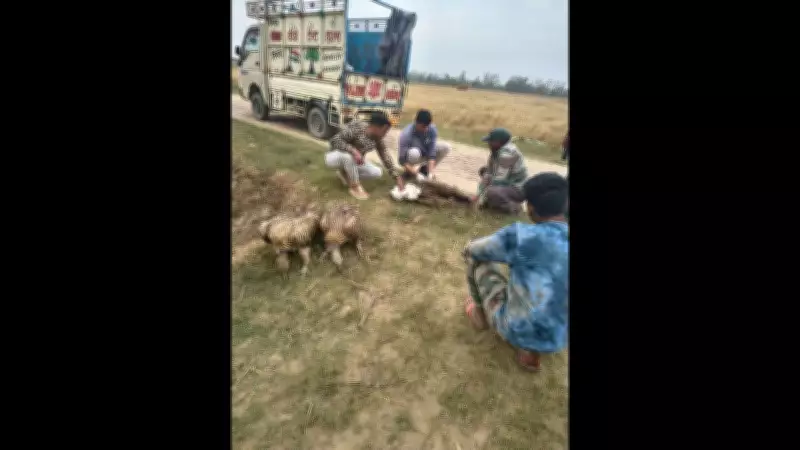
Authorities at the Pilibhit Tiger Reserve (PTR) have taken swift action by issuing an official advisory after a concerning wildlife incident unfolded earlier this week. On Thursday, forest officials confirmed the discovery of 25 deceased Himalayan griffon vultures in a field located near the Bhira forest range within the North Kheri forest division. The alarming find was made on Tuesday, prompting immediate investigation and precautionary measures.
Initial Findings Point to Multiple Potential Causes
While preliminary reports strongly indicated poisoning as the likely cause of death, forest authorities are exercising caution and considering all possibilities. In light of recent bird flu outbreaks in neighboring Nepal, officials have explicitly stated they cannot rule out avian influenza (H5N1) as a contributing factor. This dual-threat approach reflects the complexity of wildlife conservation challenges in border regions.
Divisional Forest Officer (DFO) Kirti Chaudhary provided detailed insights into the ongoing investigation. "The carcasses have been carefully collected and sent to the Indian Veterinary Research Institute (IVRI) in Bareilly for comprehensive analysis," she explained. "Our primary objective is to ascertain the exact cause of death through scientific examination. Without proper pathologists and specialized equipment at our disposal, we cannot confirm any specific reason at this stage."

Evidence of Poisoning Discovered at the Scene
Field staff conducting the initial investigation made several significant discoveries that point toward deliberate poisoning. In the sugarcane field where the vultures were found, officials recovered cooked rice that had been intentionally laced with insecticide. This substance was likely placed to eliminate feral dogs or stray cattle that might damage crops.
The tragic chain of events appears to have begun when vultures consumed the carcasses of two feral dogs that had already succumbed to the poison. "This secondary poisoning scenario is particularly devastating for scavenger species," noted DFO Chaudhary. "Vultures play a crucial ecological role, and their vulnerability to such incidents highlights the need for greater awareness about responsible pest control methods."
Rescue Efforts Provide Clues and Hope
Amid the tragedy, there were signs of hope as rescue teams managed to save five vultures found in critical condition in the same field. These birds were immediately transported to the range headquarters where veterinary staff administered an antidote. Remarkably, all five vultures responded positively to treatment and have since recovered.
"The successful recovery of these five birds strongly suggests that the deaths resulted from consumption of poisoned carcasses rather than infectious disease," Chaudhary observed. "However, we must await the official laboratory reports from IVRI before drawing definitive conclusions. Scientific confirmation is essential for implementing appropriate long-term solutions."
Multi-Agency Response and Precautionary Measures
District Magistrate Gyanendra Singh outlined the comprehensive response strategy being implemented across the region. "Given the confirmed bird flu cases in Nepal, the state government has issued a formal advisory to seven districts in Uttar Pradesh," he stated. "We are taking no chances with potential cross-border disease transmission."
The administration has established a specialized task force comprising officials from multiple departments including animal husbandry, police, forest services, irrigation, and revenue. This coordinated approach ensures that all aspects of the situation are addressed systematically.
Furthermore, the district has mobilized 16 rapid response teams consisting of veterinary officers, pharmacists, and laboratory technicians. These teams are positioned strategically throughout the region to monitor wildlife health and respond immediately to any new developments.

Enhanced Surveillance and Testing Protocols
Chief Veterinary Officer Dr. Praveen Kumar Tyagi detailed the enhanced surveillance measures now in effect. "Our teams have received specific directives to collect both oropharyngeal and cloacal swabs from poultry populations across the district," he explained. "These samples will be systematically tested to detect any potential avian influenza presence before it can spread further."
This proactive testing protocol represents a significant escalation in wildlife health monitoring, particularly in areas adjacent to international borders where disease transmission risks are elevated. The combination of immediate response capabilities and systematic surveillance creates a robust defense against potential outbreaks.
The incident has highlighted the delicate balance between agricultural practices and wildlife conservation, while simultaneously underscoring the importance of cross-border cooperation in managing transboundary disease threats. As authorities await definitive laboratory results, the precautionary measures remain firmly in place to protect both wildlife populations and agricultural communities in this ecologically sensitive region.
