Amphibians are fascinating creatures that begin their lives in water but can thrive on both land and water as they mature. These animals require moisture and possess unique features and life cycles, setting them apart from reptiles and mammals. Nature offers many examples of creatures equally adept at living in aquatic and terrestrial environments. Here are seven such amphibious animals you might not have known about.
Frogs: The Most Famous Amphibians
Frogs are among the most recognized amphibians due to their distinct life stages in water and on land. As tadpoles, they live entirely underwater, but as adults, they develop legs and lungs for a semi-aquatic existence. Their moist skin is crucial for absorbing oxygen and moisture from the environment, requiring constant hydration. Frogs inhabit forests, wetlands, ponds, and gardens, playing a vital role in controlling insect populations.
Salamanders: Preferring Humid Environments
Salamanders are amphibians characterized by long tails, soft skin, and a preference for moist habitats. Some species spend their early life stages underwater before transitioning to land. Their sensitive skin makes them prone to moisture loss, so they thrive in humid areas like forests, streams, and shady regions. Scientists study certain salamanders for their remarkable regenerative abilities, including regrowing lost limbs and internal organs.

Toads: Life on Land and in Water
Toads resemble frogs but spend more time on dry ground, though they still need moist, rough skin. They require water bodies for reproduction and egg-laying, often appearing near ponds and swamps during wet seasons. Toads contribute to ecosystem balance by feeding on pests, insects, and garden bugs.
Newts: Changing Habitats Through Development
Like salamanders, newts exhibit unique habitat shifts during their life cycles. Many newt species spend part of their lives underwater and part on land, eventually returning to water for later stages. Their smooth skin and regenerative capabilities make them attractive for scientific research. Newts typically inhabit ponds, marshes, and slow-moving waters.
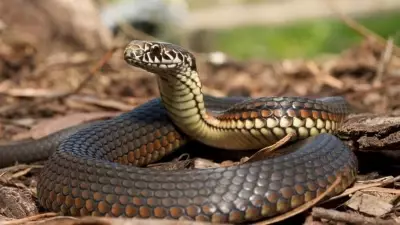
Crocodiles: Semi-Aquatic Reptiles
Crocodiles are often mistaken for amphibians due to their time spent in water, but they are reptiles. They hunt underwater and bask on land to regulate body temperature. Their excellent swimming skills and agility make them effective and dangerous hunters.
Hippopotamuses: Daytime Water Dwellers
Though hippos are mammals, they are semi-aquatic. They spend most of the day submerged in water to regulate body temperature under Africa's hot sun, emerging at night to graze on grass. This lifestyle helps them survive harsh climatic conditions.
Mudskippers: Amphibious Fish
Mudskippers are amphibious fish that spend considerable time on land, particularly on mudflats in mangrove areas and coastal wetlands. They can walk and jump using their fins, and their moist skin and breathing chambers enable oxygen absorption from air.
Disclaimer: This article is for general informational purposes only. Classifications and behavioral traits of wild animals may vary by species and location. Readers should keep a safe distance from wildlife and consult experts regarding encounters.