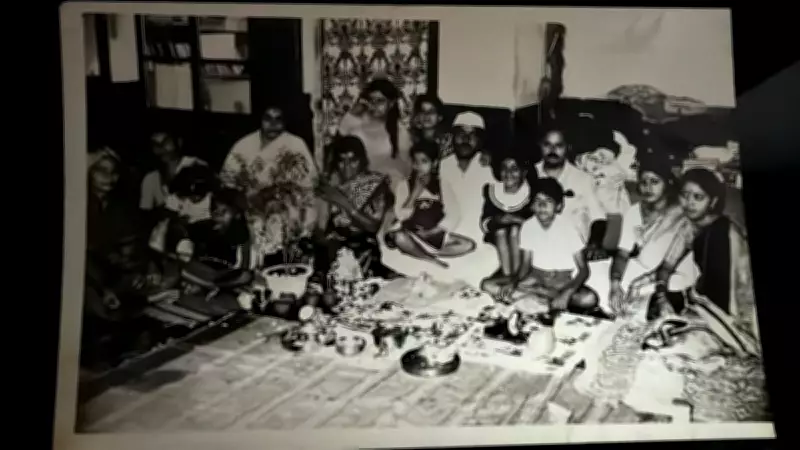
Partition Memories Echo in Bengaluru Homes
In Bengaluru, the pain of Partition still lingers for some families who carry stories of loss and longing. Barkha Kumari reports on how these narratives of displacement and yearning for lost homes continue to resonate decades after 1947.
Stories of Loss and Longing
Families in Bengaluru share accounts of ancestors who left behind homes, belongings, and memories during the Partition of India. The emotional weight of never being able to return to those places remains a recurring theme in their family histories.
According to Kumari's report, these stories highlight the deep sense of loss that persists across generations. One family recounts how their grandparents fled with only a few possessions, leaving behind a house that still stands in what is now Pakistan.

Resonance Across Generations
The longing to return to ancestral homes is not just a historical fact but an emotional reality for many. Younger generations in Bengaluru have grown up hearing these tales, which shape their identity and understanding of the past.
Kumari notes that these narratives are part of a broader collective memory that influences how families view their heritage. The report emphasizes that while the physical homes may be inaccessible, the memory of them endures.
Impact on Identity
For these families, the Partition stories are a reminder of resilience and loss. They serve as a bridge to a past that continues to inform their present. The longing for lost homes is a powerful force that shapes their sense of belonging in Bengaluru.
As Kumari concludes, these stories are not just about the past but about the ongoing journey of healing and remembrance. They remind us that the wounds of Partition are still felt, even in a city far from the borders that were drawn.