On the full moon day of the Hindu month Vaishakh, observed as Buddha Jayanti or Vesak, residents of Lucknow need not travel far to experience Buddhist relics. A visit to the Uttar Pradesh State Museum on the Lucknow Zoo premises offers an enriching and spiritually rewarding experience.
Buddha Gallery Draws Visitors on Buddha Purnima
Museum officials report a high footfall in the Buddha gallery on Buddha Purnima. This occasion commemorates three pivotal events in Buddha's life: his birth at Lumbini, enlightenment at Bodh Gaya, and Mahaparinirvana at Kushinagar. The dedicated galleries on Buddha house a wealth of artefacts, including oil and thangka paintings, seals, coins, terracotta idols, and sculptures. These items tell the story of Buddha's life and times, with some extremely rare pieces being compelling and thought-provoking.
Notable Sculptures in the Collection
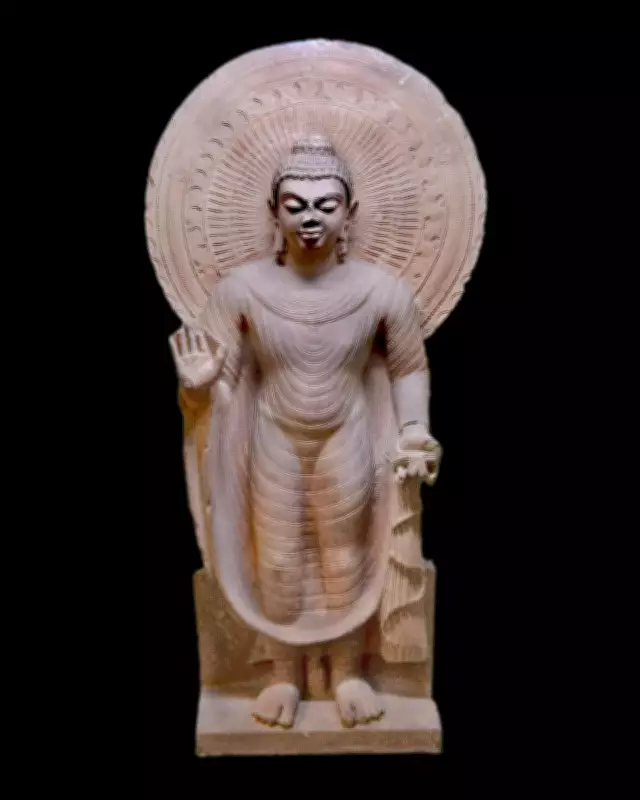
At the Lucknow museum, a 5th-century sculpture of Buddha in Abhay Mudra (a posture to protect followers from all fears) stands out. This red stone sculpture, excavated from Mathura, exemplifies fine craftsmanship and detailing. Similarly, the Mankunwar Buddha, of equal age, reflects an artistic transition between Kushana and Gupta traditions, blending features of both the Mathura and Sarnath schools. Its meditative expression, balanced posture, and engraved pedestal make it one of the most academically valuable objects in the gallery. Buddha sits in Varda Mudra in this sculpture, showering devotees with benevolence and abundance.

A gilded iron head of Buddha from Azamgarh, dating back to the 6th century, is a fine example of Gupta period aesthetics. It features calm half-closed eyes, gently arched brows, refined lips, and tightly curled hair crowned by the Ushnisha (a cranial protuberance that sets Buddha apart from common people), symbolizing spiritual wisdom.
Another rare piece is an inscribed seated Buddha from ancient Shravasti, depicted in Padmasana. Lions are carved on the corners of the throne, and attendant figures appear below the pedestal. The raised palm bears a 'chakra' mark, while a halo and elongated ears remain distinct features of the sculpture. Shravasti is one of the most revered Buddhist sites, linked to Lord Buddha's teachings and monsoon retreats.
Bodhisattva Forms and Artistic Evolution
The collection includes exquisite Bodhisattva forms such as Padmapani and Singhnaad Avalokiteshwar, reflecting the spread of Mahayana Buddhist traditions in later centuries. Rich jewellery, royal postures, lotus motifs, and detailed crowns seen in these sculptures highlight the evolution of Buddhist art in medieval India and the growing devotional traditions around compassion and wisdom.
"Crafted with diverse techniques and artistic traditions, the artefacts offer a glimpse into a rich civilizational heritage under one roof," said Amrit Abhijat, additional chief secretary, culture.