

Dandeli Hornbill Conservation Reserve Under Threat from Infrastructure Work
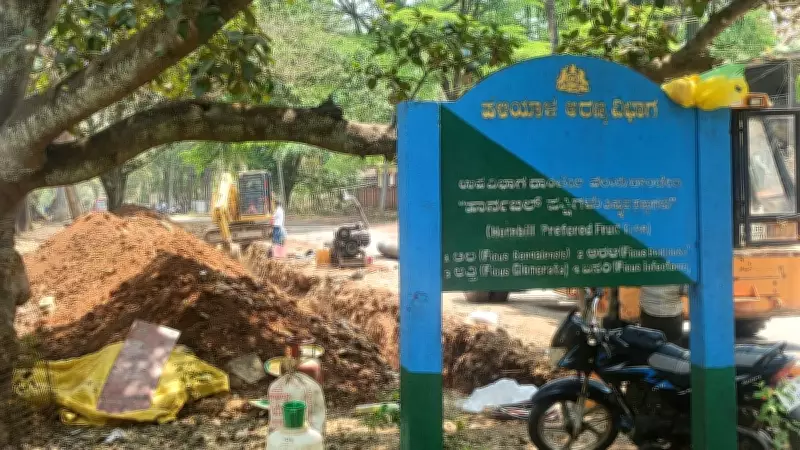
In a concerning development for wildlife conservation, the hornbill conservation reserve in Dandeli, Karnataka, is facing yet another infrastructure-related threat. This time, the intrusion comes from the state's Rural Drinking Water and Sanitation Department, which has undertaken significant excavation work within the protected area.
Details of the Intrusive Trenching Activity
The department has reportedly excavated nearly six-foot-deep trenches over an extensive one-kilometre stretch directly inside the hornbill conservation reserve. This activity represents a direct physical alteration of the critical habitat, potentially disrupting the delicate ecological balance that supports various species, including the iconic hornbills.
The timing of this development work is particularly alarming, coming amidst ongoing conservation efforts to protect the region's biodiversity. Conservationists have long emphasized the importance of maintaining undisturbed habitats for hornbills, which play crucial roles in forest regeneration through seed dispersal.

Broader Implications for Wildlife Conservation
This incident highlights the persistent challenges facing protected areas in India, where development projects sometimes encroach upon conservation zones. The hornbill conservation reserve in Dandeli has previously faced threats from various development activities, making this latest intrusion part of a troubling pattern.
Environmental experts express concern that such trenching could have multiple negative impacts:
- Direct habitat destruction and fragmentation
- Disruption of wildlife movement corridors
- Potential disturbance to nesting and breeding activities
- Long-term ecological consequences for the entire ecosystem
Conservation vs. Development: An Ongoing Dilemma
The situation in Dandeli underscores the complex balance between infrastructure development and environmental protection. While providing rural drinking water and sanitation represents important public welfare goals, conservationists argue that such projects should not compromise protected wildlife habitats.
This development raises questions about the approval processes for infrastructure work near or within conservation areas and whether adequate environmental impact assessments were conducted before the trenching began. The incident serves as a reminder of the ongoing need for stronger safeguards and better coordination between different government departments working in ecologically sensitive regions.

