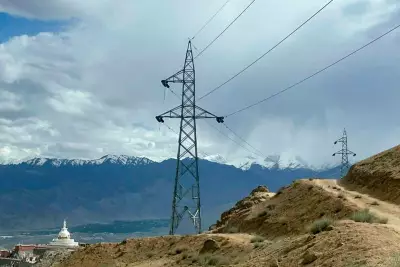
Himachal Pradesh, known for its snow-clad mountains, pine forests, monasteries, and vibrant local culture, has become one of India's most sought-after tourist destinations. This is especially evident in Kangra district, particularly in McLeodganj, Dharamsala, Bir-Billing, and Palampur. However, behind the impressive tourist arrival figures lies an uncomfortable truth: the region's fragile ecosystem and infrastructure are under severe stress.
Infrastructure Under Pressure
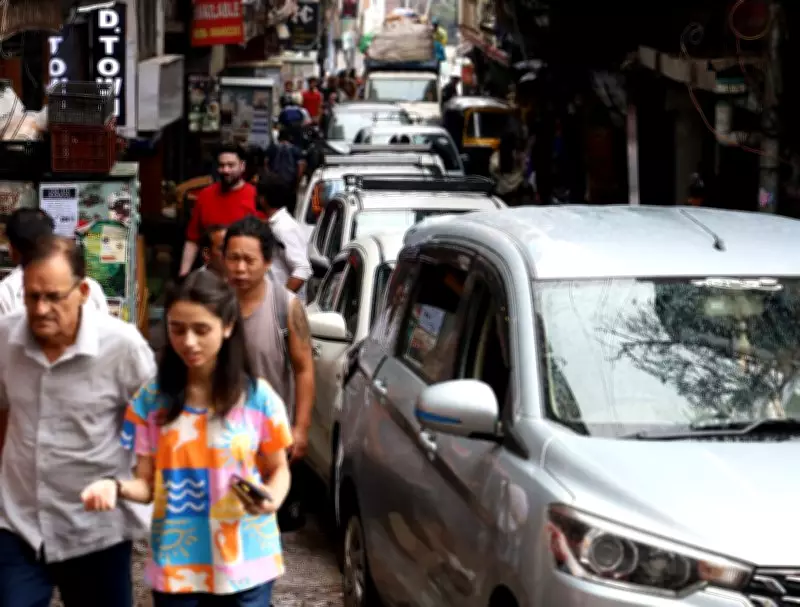
During peak seasons, roads leading to McLeodganj and Dharamsala witness hours-long traffic jams. Parking shortages have become chronic, while water supply systems, sewage networks, and waste management facilities struggle to cope with the seasonal influx. Bir-Billing, globally renowned for paragliding, faces similar pressures as visitor numbers continue to rise without corresponding investments in civic infrastructure.
The problem is not tourism itself — it is unmanaged tourism. The race to increase tourist footfall has overshadowed the need to strengthen carrying capacity. Every destination has a limit to the number of visitors it can accommodate without harming its environment, culture, and quality of life. Unfortunately, planning has failed to keep pace with growth.

Quality Over Quantity
There is growing concern that Himachal is gradually losing the quality tourist it once attracted. Frequent traffic congestion, overcrowded attractions, poor sanitation, and a declining visitor experience discourage travellers seeking nature, tranquillity, and authentic cultural experiences. Quantity has begun to replace quality.
Breaking Seasonality
Another challenge is the highly seasonal nature of tourism in Himachal. Every summer, as temperatures soar across the plains and schools close for vacations, millions head to the hills in search of cooler weather. The result is severe overcrowding and immense pressure on local infrastructure for a few months, followed by empty hotels, sluggish markets, and an economic slowdown during the off-season.
This boom-and-bust cycle underscores the absence of a strategy for year-round tourism. Himachal must diversify its offerings by developing all-season attractions, improving environmentally responsible access to snow-clad mountain destinations through ropeways, promoting wellness and adventure tourism, and professionally marketing its rich religious and cultural heritage, particularly Kangra's renowned Shakti Peeths.
Redefining Eco-tourism
Ironically, while the term “eco-tourism” frequently features in policy discussions, on the ground it often translates into little more than additional fees, permits, and levies. True eco-tourism is rooted in conservation, community participation, responsible visitor behaviour, and sustainable infrastructure.
Green taxes and eco-tourism fees should be transparently utilised for afforestation, waste management, water conservation, public transport, and other initiatives that protect Himachal’s fragile environment. Such levies must not become mere revenue-generating tools but should directly contribute to keeping the state green, clean, and sustainable.
The Way Forward
The solution lies in shifting from volume-driven tourism to value-driven tourism. Himachal must focus on attracting visitors who stay longer, spend more, and leave a smaller ecological footprint. Investments in multi-level parking, efficient public transport, waste processing plants, water conservation systems, and sewage treatment facilities are no longer optional — they are essential.
Destination management plans should be guided by scientific carrying-capacity studies. Peak-season congestion can be reduced through park-and-ride systems and improved public transport connectivity. Tourist activity should also be dispersed across lesser-known destinations to ease pressure on already saturated hotspots.
Most importantly, local communities must become active stakeholders in tourism planning. Residents bear the costs of overcrowding and environmental degradation and should therefore have a greater voice in shaping tourism policies.

A Defining Choice
Himachal’s greatest asset is its natural beauty. If current trends continue unchecked, that very asset could be irreversibly compromised. Sustainable tourism is not an obstacle to growth — it is the only path that can ensure tourism remains a source of prosperity for future generations. The question before policymakers is simple: Do we want more tourists, or do we want better tourism? The answer will determine the future of Himachal’s mountains, its environment, and the communities that call them home.