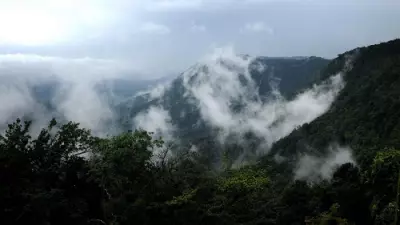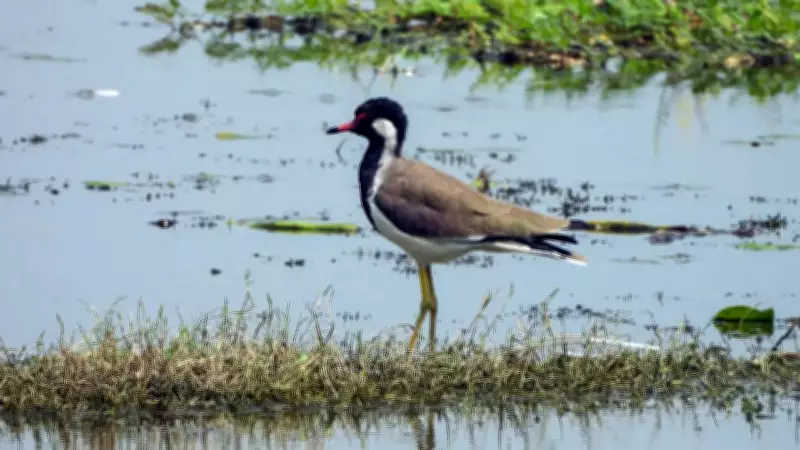
NEW DELHI: India marked World Environment Day on Friday by designating the Jai Prakash Narayan Bird Sanctuary (Surha Tal) in Ballia, Uttar Pradesh, as its 100th site on the List of Wetlands of International Importance, known as Ramsar sites. This achievement underscores the country's dedication to preserving its natural heritage.
About the New Ramsar Site
The sanctuary, now the world's 2,595th Ramsar site, is a freshwater wetland located in the middle stretch of the Ganga River basin. It originally formed from a meander of the Ganga and receives freshwater inflow through three channels. The site features floodplains, extensive marshes, seasonally flooded areas, and rice paddies.
Globally, there are nearly 2,595 designated wetlands under the 1971 Ramsar Convention. India now boasts the highest number of such wetlands in Asia and the third highest worldwide, following the United Kingdom (176) and Mexico (144).

Prime Minister's Remarks
Prime Minister Narendra Modi expressed pride in this milestone, stating, "India's unwavering commitment to protecting our natural surroundings and wetlands in particular is clearly reflected in this feat." He emphasized that conservation efforts have been strengthened through community participation, science, innovation, and awareness initiatives, which help preserve biodiversity and secure ecological balance for future generations.
Ecological Significance
According to the Ramsar Convention secretariat, the Jai Prakash Narayan Bird Sanctuary provides a crucial refuge for waterbirds, especially during summer when smaller wetlands dry out. Notable species include the vulnerable common pochard (Aythya ferina) and the Indian river tern (Sterna aurantia).
The site also supports a rich diversity of life:
- Plant species: 221
- Fish species: 66, including vulnerable species like Wallago attu and Bagarius bagarius
- Reptile species: 7
- Amphibian species: 3
The abundance of fish attracts the vulnerable fishing cat (Prionailurus viverrinus), which uses the site as a feeding ground. To address threats such as over-fishing and harvesting of aquatic resources, management measures like seasonal controls and prohibition of destructive practices are in place.
India's Growing Ramsar Network
The number of Indian wetland sites in the global Ramsar list has surged from 26 to 100 over the past 11 years, with 58 added in the last four years alone. This rapid expansion reflects India's proactive approach to wetland conservation.
Understanding Wetlands
Wetlands are land areas covered by water, either temporarily, seasonally, or permanently. They are critical ecosystems that support biodiversity and provide services such as flood control, water supply, food, fiber, and raw materials. The Ramsar Convention, adopted in 1971 in the Iranian city of Ramsar, provides a framework for the conservation and wise use of wetlands across its 172 member countries, including India.