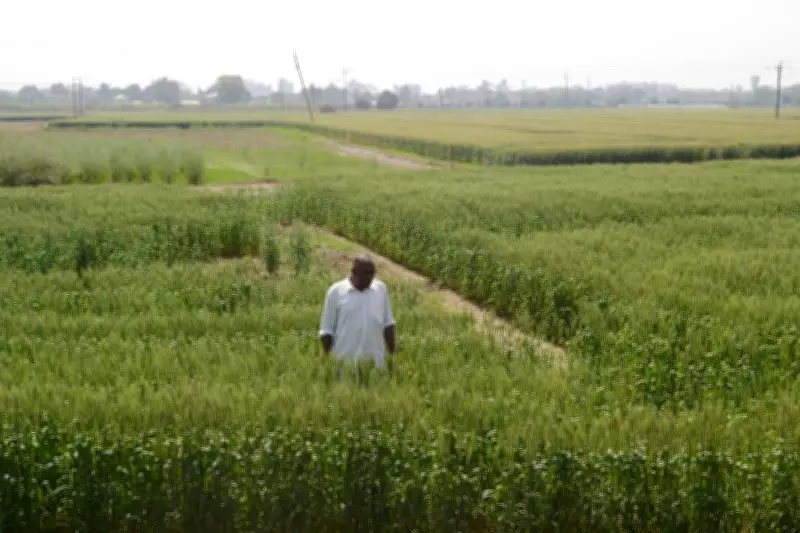
Approximately 1,200 farmers in Himachal Pradesh received training on sustainable agriculture techniques during the month-long 'Khet Bachao Abhiyaan' organized by the ICAR-Central Potato Research Institute (ICAR-CPRI), Shimla. The nationwide campaign aimed to promote balanced fertilizer use and eco-friendly farming methods.
Campaign Coverage and Activities
The initiative was conducted at ICAR-CPRI headquarters in Shimla and its regional stations in Punjab, Uttar Pradesh, Madhya Pradesh, Bihar, Tamil Nadu, and Meghalaya. Key topics included soil testing, Soil Health Card awareness, balanced nutrient management, natural farming, water conservation, quality seed use, seed treatment, green manuring, modern sowing techniques, and water-efficient practices. Farmers were urged to adopt climate-resilient technologies and scientific crop management to boost productivity while conserving resources.
Field Deployment and Farmer Engagement
A total of 17 multidisciplinary teams, including six from the Shimla headquarters, spent the month in the field. They visited villages, organized awareness programs, conducted diagnostic surveys, and interacted directly with farmers to address challenges and provide technical advice for crop protection.

Dr Brajesh Singh, Director of CPRI, Shimla, said, “The overwhelming response from farmers reflects their growing confidence in scientific interventions and the importance of timely field-level guidance. Through the 'Khet Bachao Abhiyaan', ICAR-CPRI has strengthened its direct engagement with farmers by delivering practical solutions for crop protection and sustainable agriculture. The institute remains committed to expanding its outreach programmes so that the latest research, technologies and innovations reach the farming community, ultimately enhancing productivity, improving farmers’ incomes and contributing to national food and nutritional security.”
Demonstrations and Digital Outreach
As part of the campaign, scientists conducted 178 on-field demonstrations showcasing improved crop management, integrated pest and disease management, seed treatment, and other scientific methods. To maximize grassroots awareness, 1,052 banners, posters, and placards were displayed in villages and farming clusters. An extensive digital outreach campaign reached nearly 1.5 lakh stakeholders via social media platforms.
Dr Pynbianlang K, Co-Nodal Officer of the campaign, stated that the Shimla teams covered several blocks in Shimla and Solan districts, organizing nearly 25 awareness programs. These directly benefited around 1,200 farmers through interactive sessions, field demonstrations, and location-specific technical guidance.
Dr Pynbianlang K noted that scientists including Dr Jagdev Sharma, Dr Alok Kumar, Dr Sanjeev Sharma, Dr Vinod Kumar, Dr Vinay Sagar, and Dr Som Dutt played a key role in coordinating field activities and engaging with farming communities.