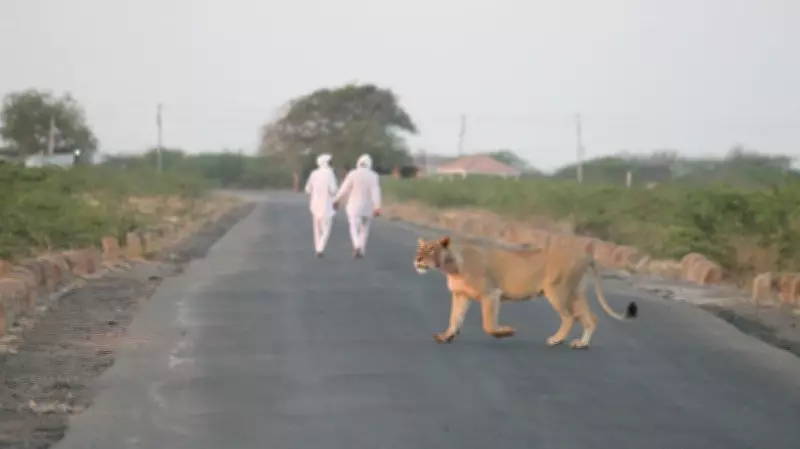
In Gujarat's Amreli district, lions move through villages and fields, sometimes within arm's reach of residents. Locals have built statues and temples in their honor. But as their numbers grow, the relationship is beginning to shift. Satish Jha captures the chequered history of this coexistence.
A Unique Bond Between Humans and Lions
The Asiatic lion, once on the brink of extinction, has found a haven in the Gir forest and its surrounding areas. In Amreli, these majestic predators are not just tolerated but revered. Villagers have erected statues and even temples dedicated to the lions, reflecting a deep-seated cultural reverence. This coexistence, however, is not without its challenges.
Growing Lion Population Strains Relations
As the lion population increases, their range expands beyond protected areas. Lions now frequently wander into farmlands and village outskirts, leading to conflicts over livestock and safety. While attacks on humans are rare, the growing proximity raises concerns. Farmers have reported losing cattle, and some villagers express anxiety about children playing outside.

Despite these issues, many locals remain protective of the lions. They see them as a symbol of pride and a source of tourism revenue. Community-led conservation initiatives have helped maintain a balance, but experts warn that without proper management, the harmony could unravel.
Historical Context and Conservation Efforts
The relationship between the people of Amreli and lions dates back centuries. Traditional pastoral communities have shared the landscape with these big cats, developing practices to avoid conflict. The government's Project Lion has further bolstered conservation, with measures like compensation for livestock losses and awareness campaigns.
However, the success of conservation has led to a new problem: habitat saturation. With limited space in Gir, lions are moving into human-dominated areas. This has prompted calls for creating new habitats and corridors to ease the pressure.
Looking Ahead: Sustainable Coexistence
To ensure the future of both lions and people, experts advocate for a multi-pronged approach. This includes better fencing, early warning systems, and community engagement. The challenge lies in preserving the cultural bond while adapting to changing realities. As one local elder puts it, "We have lived with lions for generations. Now we must learn to live with more of them."