Muzaffarabad residents decry prolonged lockdown and internet shutdown
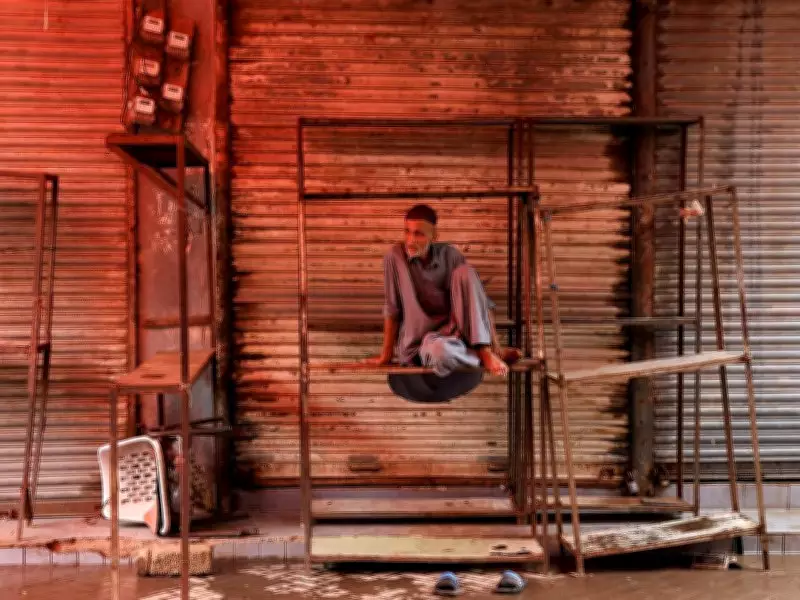
Residents of Muzaffarabad in Pakistan-occupied Jammu and Kashmir (PoJK) have voiced growing frustration over a month-long lockdown, saying prolonged restrictions, internet disruptions, banking problems, and the closure of educational institutions have severely disrupted daily life and pushed businesses to the brink.
Several residents urged the governments of Pakistan and PoJK to resolve the crisis through dialogue instead of prolonged restrictions. They argued that internet shutdowns, transport disruptions, and the suspension of banking services have left people unable to access essential services or conduct business.
Residents struggle for food, fuel, and basic necessities
Khawaja Ahmed, a resident of Muzaffarabad, said the continuing restrictions have created widespread uncertainty, with people struggling to obtain food, fuel, and other necessities. He stressed that the government should engage in negotiations rather than relying on force, warning that prolonged closures are worsening the humanitarian situation.

Former chairman of the District Zakat Committee, Riaz Argham, criticized the shutdown of markets and said traders have suffered heavy financial losses. He claimed many shopkeepers are reluctant to support strikes but feared damage to their businesses if they remained open. According to him, prolonged closures are harming ordinary citizens rather than resolving political disputes.
Businesses at a standstill due to internet and banking disruptions
Mohd Ajmal Qureshi, a long-time traders' representative from Muzaffarabad, said businesses have effectively come to a standstill because internet services remained unavailable. He noted that banking transactions, online trade, payments, and supply chains have all been disrupted, leaving traders unable to operate. He also expressed concern over the continued closure of schools and universities, saying students were losing valuable academic time.
Residents further said petrol shortages and limited public transport have made travel increasingly difficult, while hospitals are becoming harder to access due to financial and logistical constraints.
Ordinary citizens bear the brunt of the crisis
Shabbir Ahmed Chak, another resident, said ordinary people are bearing the brunt of the crisis, as many could not withdraw money from banks or purchase essential goods. The lockdown and internet shutdown have compounded existing economic hardships, with no clear end in sight.