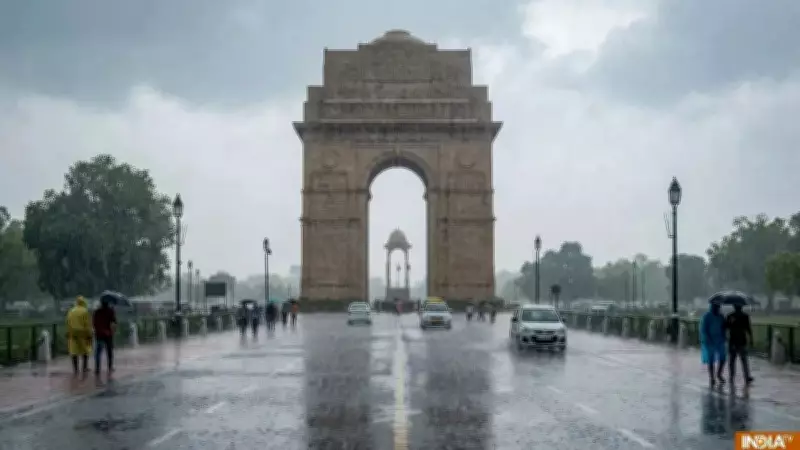
Delhi-NCR experienced heavy rainfall and thunderstorms on June 29, 2026, bringing significant relief after days of intense heatwave conditions. The India Meteorological Department (IMD) reported that the maximum temperature in Delhi dropped by 5-7 degrees Celsius following the downpour, providing respite to residents who had been enduring temperatures above 45°C for nearly a week.
Details of the Weather Event
The rainfall began in the afternoon and continued intermittently for several hours, accompanied by strong winds and lightning. The Safdarjung Observatory, Delhi's primary weather station, recorded 38.5 mm of rain between 2:30 PM and 5:30 PM. Other areas such as Palam, Lodhi Road, and Ayanagar also received substantial precipitation, with amounts ranging from 25 mm to 45 mm. The IMD had earlier issued a yellow alert for thunderstorms and light to moderate rain across the region.
The sudden change in weather also led to waterlogging in several low-lying areas, causing traffic disruptions on major roads like the Outer Ring Road and stretches near ITO. The Delhi Traffic Police advised commuters to avoid these routes and plan their journeys accordingly. Power outages were reported in some parts of the city due to uprooted trees and damaged electricity lines.

Impact on Daily Life
Residents welcomed the rain as a much-needed break from the relentless heat. "We have not seen such pleasant weather in weeks. The rain has brought the temperature down significantly, and we can finally step out without feeling suffocated," said Ramesh Kumar, a local shopkeeper in Karol Bagh. However, the sudden downpour also caused inconvenience for many, particularly those commuting in the evening. The Delhi Metro reported delays on some lines due to waterlogging near stations, but services were restored within an hour.
The IMD has forecast more rain and thundershowers for the next two days, with a gradual rise in temperature expected after that. The department also warned of possible gusty winds reaching speeds of 30-40 km/h during thunderstorms.
Comparison with Previous Heatwave
The heatwave that preceded this rainfall was one of the most severe in recent years. According to the IMD, Delhi recorded a maximum temperature of 46.2°C on June 27, the highest for the month in over a decade. The continuous heat had led to a spike in heat-related illnesses, with hospitals reporting a 20% increase in cases of heatstroke and dehydration. The rain is expected to bring down the number of such cases, though health officials advise continued caution as temperatures may rise again.
The rainfall also had a positive impact on the air quality index (AQI), which improved from the 'poor' category to 'satisfactory' levels. The Central Pollution Control Board (CPCB) recorded an average AQI of 98 on June 29, down from 245 the previous day.
Conclusion
While the rain has provided temporary relief, experts suggest that the region may experience another heatwave in the coming weeks. The IMD has urged residents to stay updated with weather forecasts and take necessary precautions. The Delhi government has also announced measures to mitigate the effects of future heatwaves, including setting up additional cooling centers and ensuring adequate water supply in vulnerable areas.