Beneath the sands of Saqqara lies a hidden mystery from Egypt's distant past. While the Serapeum, an extensive labyrinth of underground tunnels used for interring holy Apis bulls, has long been known, recent archaeological discoveries suggest this subterranean complex was far more extensive and organized than previously thought. Rather than being simply an underground tomb, Saqqara represents an elaborate subterranean complex designed for housing many millions of animals over thousands of years.
Egypt Was Made for the Dead Under the Sands
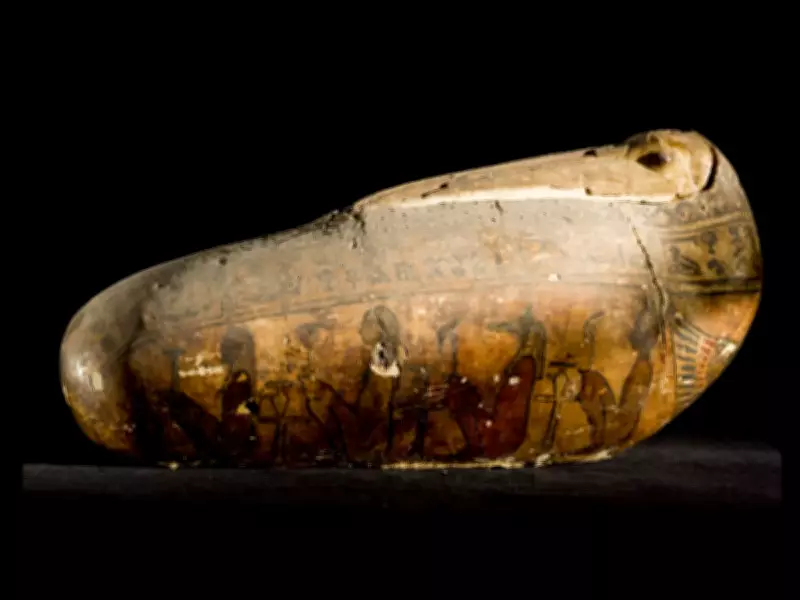
When we imagine ancient Egypt, our thoughts immediately turn to impressive pyramids reaching up to the clear sky. However, most religious activities took place far from sight, hidden underground. The extent of these practices is absolutely amazing and proves the level of devotion towards animals typical in this civilization. For instance, the Saqqara necropolis featured an estimated 1.75 million ibis burials, as found in a peer-reviewed study published in PLOS ONE.
This finding changes how the archaeological site is understood. The ibis burials cannot be considered a marginal historical phenomenon. Instead, they appear to have been part of a large-scale system of mortuary practices. In this context, the bull galleries at the Serapeum do not appear to be a unique anomaly; rather, they represent one of many types of burial chambers created in the underground spaces. That is why Egypt created extensive underground cemeteries, with Saqqara at the center of this tradition.

The Sanctity of the Apis Bull
At the center of these underground sites was the Apis bull cult, which played an important role in ancient Egyptian religion. The animals were considered not just symbols but actual gods. When an Apis bull died, its funeral received attention, expense, and luxury comparable to that of a human pharaoh.
Such a complex burial procedure reflects the high level of the Egyptian belief system. According to a prominent study indexed in PubMed, the chemical composition of embalmment products used on these sacred bulls showed exceptional care and a special preparation process, consistent with their divine role within the religion.
In addition to the scientific evidence, it should be stressed that the Serapeum was not simply a place where animals were kept after death.
An Immense World of Rituals Hewn from Rock
Considering these finds, the historical picture of ancient Egypt changes. The underground architecture in Saqqara reflects a long commitment to repeating these rituals over many centuries. The presence of tunnels, passages, and deep burial chambers suggests how committed this society was to its religion. Egyptians were not limited to practicing their rituals under the open sky.
Saqqara's underground complex was not built all at once. Rather, it developed over generations as people expanded the tunnels and chambers. The Serapeum is a striking example of how a civilization expressed its rituals in stone by creating a vast ceremonial space.