

Corporate Flight from South Africa Intensifies as Investors Grapple with Systemic Challenges
JOHANNESBURG—The anticipated economic renaissance of South Africa, once hailed as Africa's breakout star, is now overshadowed by a rapidly accelerating corporate exodus. A toxic blend of entrenched corruption, rampant lawlessness, and crumbling infrastructure is driving foreign investors to reconsider their commitments, marking a potential watershed moment for the continent's most-developed economy.
A Legacy of Logistical Hurdles and Eroding Confidence
For decades, international firms tolerated South Africa's logistical nightmares—including unreliable electricity and deteriorating transport networks—in exchange for access to its vast mineral wealth and a burgeoning consumer market. However, a cascade of high-profile corruption scandals, often intertwined with legislation aimed at redressing apartheid-era racial injustices, has severely damaged the country's investment reputation. This erosion of trust has exacerbated fundamental issues, manifesting in regular, days-long water and power outages that cripple business operations.
Legislation designed to empower South Africa's Black majority, while socially critical, has inadvertently deterred investment. A notable example involves Elon Musk's SpaceX, which engaged in talks to launch its Starlink internet service—a potential boon for remote economic areas. The negotiations stalled over Musk's demand for an exemption from a rule requiring foreign companies to cede 30% of local operations to Black South Africans.

High-Profile Departures and Their Catalysts
The corporate retreat is exemplified by several major players:
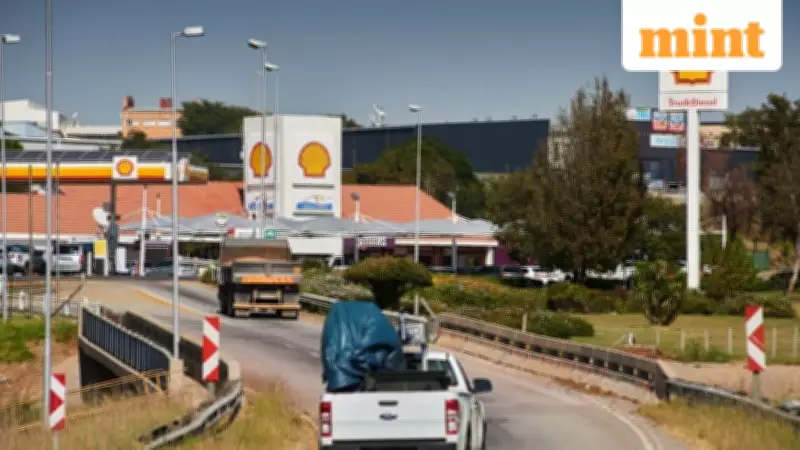
- Shell and BP: In 2024, the energy giants sold their jointly owned refinery to South Africa's state-owned Central Energy Fund for a symbolic one rand (about six U.S. cents). Shell subsequently announced plans to sell its network of gas stations, though a buyer has yet to be found. Shell's CFO, Sinead Gorman, framed the move as strategic, stating it was "more about taking things that don't fit our strategy off the books."
- British American Tobacco (BAT): The tobacco leader is shuttering its last South African manufacturing plant by year's end, citing an illicit trade that has decimated approximately 75% of the legal cigarette market. Triggered by a pandemic-era sales ban, this black market has left BAT's facility operating at just 35% capacity. Johnny Moloto, head of corporate affairs for BAT's sub-Saharan Africa unit, expressed frustration: "We've held on for as long as we could... We've now reached that tipping point." The company plans to shift to imports but remains open to reinvesting if the government curbs illicit trade.
- Rolex: The luxury watchmaker closed its South African affiliate office in 2024, officially citing "the evolution of local markets." This move coincided with the rise of criminal groups, notoriously dubbed the 'Rolex gang,' which violently rob wealthy Johannesburg residents of their watches. While Rolex declined to link the closure directly to crime, it maintains an after-sales service center in the country.
- Financial Sector Withdrawal: European banks have also retreated. BNP Paribas closed its corporate and investment bank in South Africa in 2024, and HSBC announced it would transfer its local business to domestic banks and exit the market.
Corruption's Corrosive Impact and Legal Entanglements
Corruption is not merely a backdrop but a direct business risk. The World Bank estimates that crime costs South Africa's economy at least 10% of GDP annually, factoring in stolen property, security expenses, and lost opportunities. Some multinationals have become ensnared in scandals themselves.
Consulting firm Bain shut down its South African operations after a state inquiry found it colluded with former President Jacob Zuma to weaken the national tax agency. Accused of "corrupt and fraudulent practices," Bain was banned from government contracts in 2022. The inquiry revealed that Zuma's administration allegedly allowed well-connected businessmen to secure lucrative deals in exchange for favors, though no convictions have followed—a failure analysts attribute to governmental inefficacy.

Glimmers of Hope Amidst the Gloom
Despite the exodus, not all foreign investors are abandoning ship. Mining titan Anglo American, a century-long presence in South Africa, is restructuring but not fully retreating. While divesting its majority stake in De Beers and selling off Anglo American Platinum (now Valterra Platinum), it retains holdings in Kumba Iron Ore, a manganese business, and its Vergelegen wine estate.
James Wyatt-Tilby, an Anglo American spokesman, affirmed ongoing commitment: "We continue to see South Africa as our hub for investment into the entire region... We are incredibly proud of the broader contributions that we make in the country towards addressing national priorities like energy, logistics, crime, and education."
This nuanced stance highlights that while the corporate flight is alarming, some investors remain cautiously engaged, hoping for reforms that could stabilize South Africa's economic landscape and restore its allure as an investment destination.
