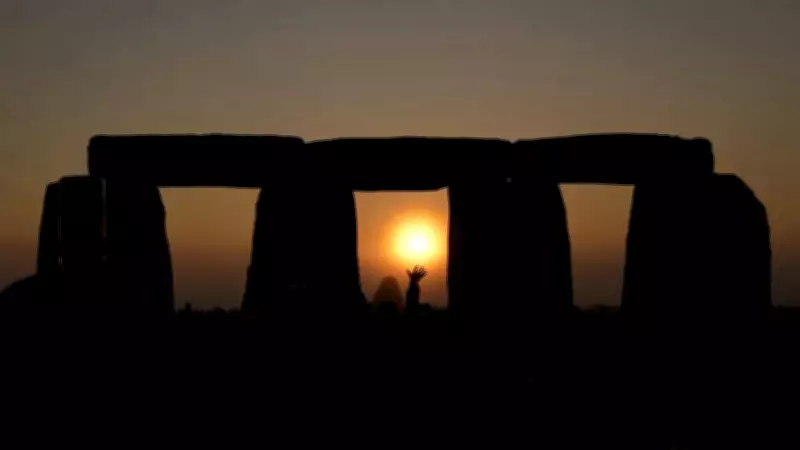
This is the sun's time to shine: Sunday is the longest day of the year in the Northern Hemisphere. The solstice marks the start of astronomical summer north of the equator. In the Southern Hemisphere, it is the shortest day and winter begins.
The word 'solstice' comes from Latin 'sol' for sun and 'stitium' meaning pause or stop. The summer solstice ends the sun's annual climb, making its longest, highest arc. After this, days gradually shorten until late December.
What is the solstice?
As Earth orbits the sun at an angle, sunlight falls unevenly on the hemispheres. Solstices occur when Earth is tilted most toward or away from the sun, causing unequal day lengths. At the Northern Hemisphere's summer solstice, the upper half leans sunward, creating the longest day and shortest night. This year's summer solstice falls on June 21. The winter solstice, around December 21, brings the shortest day and longest night.

What is the equinox?
During equinoxes, Earth's tilt is neutral, giving both hemispheres equal sunlight. The sun rises due east and sets due west. The word equinox means equal night, as day and night are nearly equal. The autumnal equinox occurs between September 21 and 24, and the vernal equinox between March 19 and 21.
Meteorological vs. astronomical seasons
Astronomical seasons depend on Earth's orbit, while meteorological seasons are based on weather and temperature cycles. Meteorologists use three-month seasons: spring starts March 1, summer June 1, fall September 1, winter December 1.
People have celebrated solstices for millennia with festivals like Sweden's midsummer and monuments like Stonehenge, which aligns with the solstice sun.