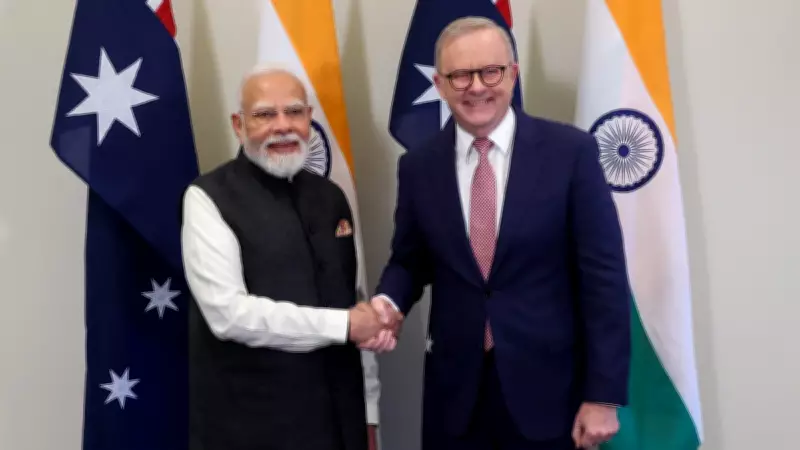
Australia has agreed to supply uranium to India in a major boost to India's clean energy ambitions, following a landmark deal signed between Prime Minister Narendra Modi and Australian Prime Minister Anthony Albanese. The agreement, finalized on July 9, 2026, marks a significant step in the bilateral relationship, focusing on energy security and climate change mitigation.
Details of the Uranium Supply Agreement
Under the terms of the deal, Australia will provide a reliable supply of uranium for India's civil nuclear energy program. The agreement includes safeguards to ensure the uranium is used exclusively for peaceful purposes, aligning with international non-proliferation standards. Australia, which holds about one-third of the world's uranium reserves, is a key partner in India's quest for clean energy.
Prime Minister Modi stated, "This partnership will strengthen India's energy security and support our transition to a low-carbon economy." Prime Minister Albanese echoed the sentiment, saying, "Australia is proud to support India's clean energy goals while reinforcing our commitment to global non-proliferation."

Impact on India's Clean Energy Goals
India aims to increase its nuclear power capacity from 7.5 GW to 22.5 GW by 2032, as part of its broader target to achieve net-zero emissions by 2070. The uranium supply from Australia will help fuel existing and planned reactors, reducing reliance on coal and imported fossil fuels. According to the Indian government, this deal could contribute to a reduction of over 50 million tonnes of CO2 emissions annually once full capacity is realized.
The agreement also opens avenues for collaboration in nuclear research and technology, including the development of small modular reactors and advanced fuel cycles.
Strengthening Bilateral Ties
The uranium deal is part of a broader strategic partnership between India and Australia, encompassing trade, defense, and technology. Bilateral trade has grown to over $50 billion, with energy cooperation becoming a cornerstone. The Comprehensive Strategic Partnership, established in 2020, has deepened ties, and this agreement further solidifies the relationship.
Both leaders emphasized the importance of the Quadrilateral Security Dialogue (Quad) in promoting a free and open Indo-Pacific. The uranium supply deal is seen as a move to counter China's influence in the region while addressing climate change collectively.
Non-Proliferation and Safeguards
Australia had previously hesitated to sell uranium to India due to the latter's non-signatory status to the Nuclear Non-Proliferation Treaty (NPT). However, a 2016 bilateral civil nuclear agreement paved the way, with India agreeing to International Atomic Energy Agency (IAEA) safeguards. The new deal reinforces these commitments, ensuring transparency and accountability.
India's civil nuclear program operates under a comprehensive safeguards agreement with the IAEA, and the uranium will be subject to monitoring to prevent diversion to military uses.
The agreement is expected to come into effect later this year, with the first shipment of uranium anticipated within 18 months. Both countries are working on logistics and regulatory approvals to expedite the process.