BDA launches massive tree-planting drive
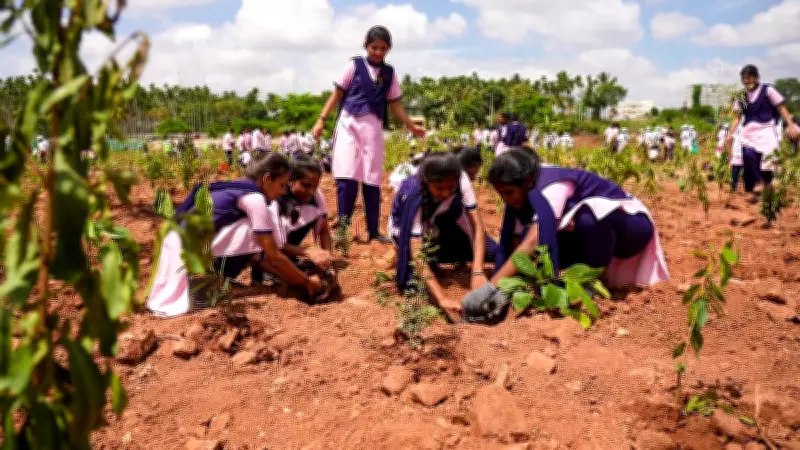
The Bangalore Development Authority (BDA) has undertaken a massive tree-planting initiative, planting lakhs of saplings across Bengaluru in an attempt to set a world record. The drive, which took place on 27 June 2026, saw participation from thousands of volunteers, including students, government officials, and environmental activists.
CM calls on schools to adopt neighbourhoods
Chief Minister Siddaramaiah urged schools to adopt their neighbourhoods for tree planting, emphasizing the importance of environmental conservation. "Schools can play a crucial role in greening our city. I appeal to every educational institution to adopt at least one neighbourhood and ensure the survival of the saplings planted," he said during the event.
Aims to beat previous record
The BDA aimed to surpass the previous world record for the most trees planted in a single day, which was set in Ethiopia in 2019 with 350 million saplings. While the exact number of saplings planted in Bengaluru is yet to be officially confirmed, early estimates suggest that over 1 million saplings were planted across multiple sites.

Focus on native species
The saplings planted included a mix of native species such as neem, banyan, and peepal, which are well-suited to Bengaluru's climate and support local biodiversity. The BDA has also announced a post-planting care program, involving regular watering and monitoring, to ensure a high survival rate.
Community involvement and future plans
The initiative saw widespread community involvement, with residents' welfare associations, corporate groups, and non-profit organizations joining hands. The BDA plans to make the tree-planting drive an annual event, with a target of planting 10 million saplings over the next five years.
"This is not just about setting a record; it's about creating a sustainable future for Bengaluru," said a BDA official. The drive is part of the state government's broader Green Karnataka campaign, which aims to increase the state's forest cover by 20% by 2030.