

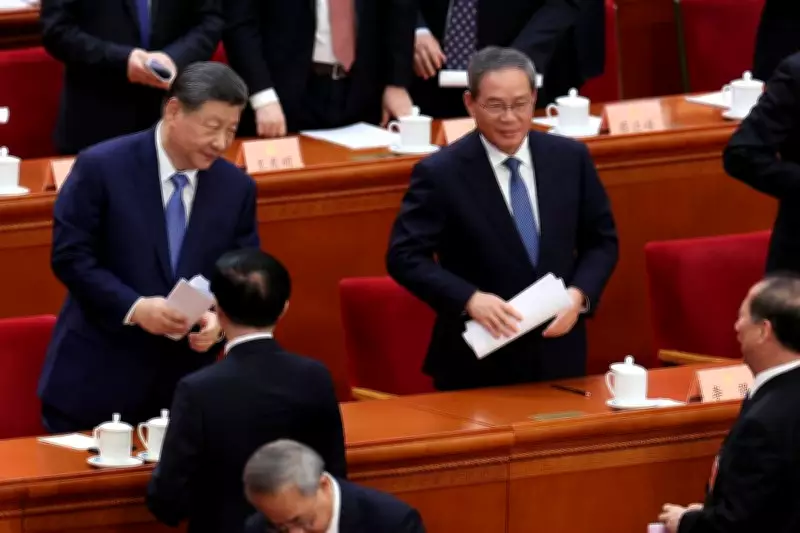
China Announces Significant Increase in Defense Budget for 2024
In a move that underscores its strategic priorities, China has officially raised its defense budget for the upcoming fiscal year. The new allocation stands at approximately $275 billion, reflecting a notable increase of 7.2% compared to the previous year. This decision comes amid ongoing regional tensions and China's broader ambitions to modernize its military capabilities.
Details of the Budget Hike
The defense budget, which was announced during the annual session of China's National People's Congress, highlights the government's commitment to bolstering national security. The 7.2% growth rate is consistent with recent trends, as China has steadily increased military spending over the past decade. This budget is part of a larger effort to enhance the People's Liberation Army's (PLA) operational readiness and technological edge.
Key areas of focus for this increased funding include advanced weaponry development, cyber warfare capabilities, and naval expansion. China has been investing heavily in areas such as artificial intelligence for defense applications, next-generation fighter jets, and aircraft carriers. These initiatives aim to position China as a dominant military power in the Asia Pacific region and beyond.

Regional and Global Implications
The budget hike is likely to have significant implications for regional security dynamics. Neighboring countries, including India, Japan, and Taiwan, have expressed concerns over China's growing military assertiveness. This increase in spending could further escalate tensions in disputed areas such as the South China Sea and the Taiwan Strait.
Analysts suggest that China's defense budget growth is driven by a combination of factors, including territorial disputes, geopolitical rivalries with the United States, and internal security needs. The move aligns with President Xi Jinping's vision of building a "world-class" military by mid-century, as outlined in China's national defense strategy.
Comparison with Other Nations
With this new budget, China remains the world's second-largest military spender, trailing only the United States. However, it is important to note that China's official figures may not capture all defense-related expenditures, as some costs are often hidden in other budget categories. In contrast, countries like India and Japan have also been increasing their defense budgets in response to perceived threats from China.
- United States: Defense budget exceeds $800 billion annually.
- India: Recently increased defense spending to counter regional challenges.
- Japan: Boosted military budget amid security concerns in East Asia.
Economic and Domestic Context
The defense budget increase comes at a time when China is facing economic headwinds, including slowing growth and high debt levels. Despite these challenges, the government has prioritized military funding, indicating the strategic importance of defense in national policy. This decision reflects a balancing act between economic stability and security imperatives.
Domestically, the budget hike is framed as necessary for safeguarding national sovereignty and promoting peace. Chinese officials have emphasized that the increased spending is defensive in nature and aimed at maintaining regional stability. However, critics argue that it could fuel an arms race and heighten military confrontations in Asia.
Future Outlook
Looking ahead, China is expected to continue its trajectory of defense budget growth, with projections indicating sustained increases over the next five years. This trend is likely to shape international relations and security alliances in the Asia Pacific region. Countries may respond by strengthening their own military capabilities or forming closer defense partnerships.
In summary, China's decision to raise its defense budget to $275 billion marks a significant step in its military modernization efforts. While aimed at enhancing national security, it also raises concerns about escalating tensions and regional instability. The global community will be closely watching how this development influences geopolitical dynamics in the coming years.






