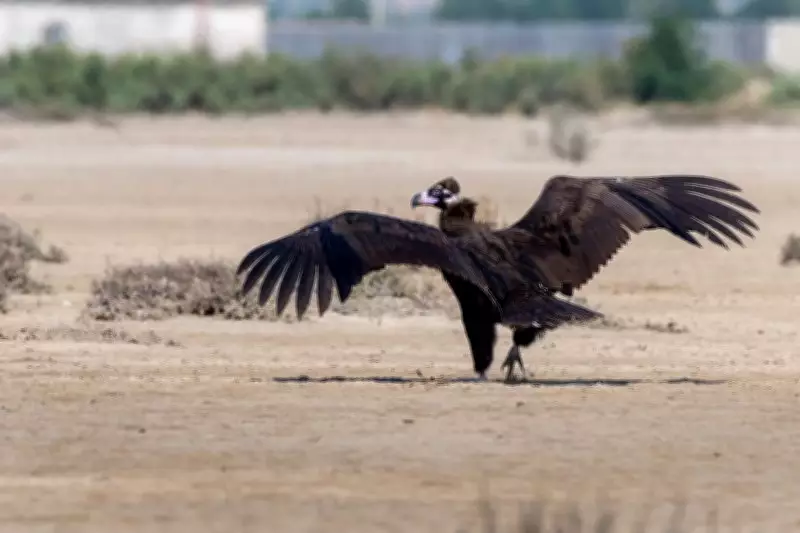
A critically endangered cinereous vulture, rescued and treated in Madhya Pradesh, has made a stunning recovery and flown over 3,000 kilometers to Uzbekistan, according to wildlife officials. The vulture, one of the largest birds of prey in the world, was found injured near the Panna Tiger Reserve in February 2024. It was taken to the Wildlife SOS Conservation Centre in Agra for treatment, where it was diagnosed with a fractured wing and severe dehydration.
Rescue and Treatment
The vulture underwent a three-month rehabilitation process, including surgery and physiotherapy. Wildlife SOS veterinarians used a specialized splint to stabilize the wing and provided a high-protein diet to aid recovery. By May 2024, the bird had regained full flight capability and was fitted with a satellite transmitter to monitor its post-release movements.
Release and Migration
The vulture was released back into the wild in the Panna Tiger Reserve on May 15, 2024. Within weeks, it began its northward migration, crossing the Himalayas and Central Asia. Satellite data confirmed the bird reached Uzbekistan’s Kyzylkum Desert on June 10, covering a distance of 3,100 kilometers. This is the first documented case of a cinereous vulture migrating from India to Central Asia.

Significance for Conservation
Wildlife experts say this journey highlights the importance of transboundary conservation efforts. Cinereous vultures are listed as near-threatened globally, with fewer than 10,000 mature individuals remaining. The species faces threats from habitat loss, poisoning, and collision with power lines. The successful rehabilitation and migration of this vulture demonstrate the effectiveness of dedicated wildlife rescue programs.
Dr. Kedar Gore, a wildlife biologist involved in the project, stated: "This vulture's journey is a beacon of hope. It shows that with proper care, injured birds can return to the wild and resume their natural migratory patterns." The satellite tracking data will help researchers understand the species' migration routes and identify key stopover sites for protection.