European Families Honor American WWII Soldiers Through Generational Grave Care
Decades after the conclusion of the Second World War, a poignant and enduring tradition persists across various regions of Europe. In Belgium and the Netherlands, numerous local families have voluntarily assumed the responsibility of caring for the graves of American soldiers who perished during the liberation of their nations. These individuals are not connected by blood but by a profound sense of gratitude. They meticulously clean headstones, place fresh flowers, and ensure that the names of the fallen soldiers remain eternally remembered. What originated as spontaneous acts of respect in the immediate aftermath of the war has evolved into a well-organized, intergenerational commitment. This practice embodies lasting remembrance, dignity, and a bond that transcends geographical boundaries.
How Families Began Caring for World War II American Soldiers’ Graves
In the years directly following World War II, communities in liberated areas experienced a deep sense of gratitude toward the Allied soldiers who fought and died for their freedom. Many families initiated visits to nearby American cemeteries, tending to individual graves as a gesture of appreciation. Over time, this informal custom developed into structured adoption programs, where families would take on the responsibility for a specific grave and ensure it received continuous care throughout the year.
For numerous families, caring for a soldier’s grave is not a one-time activity but a lifelong duty. In some instances, the same grave has been maintained by multiple generations within a single family. Parents pass this responsibility to their children, along with the story of the soldier and the core values of remembrance and respect. This continuity has been instrumental in preserving the tradition for more than eight decades.

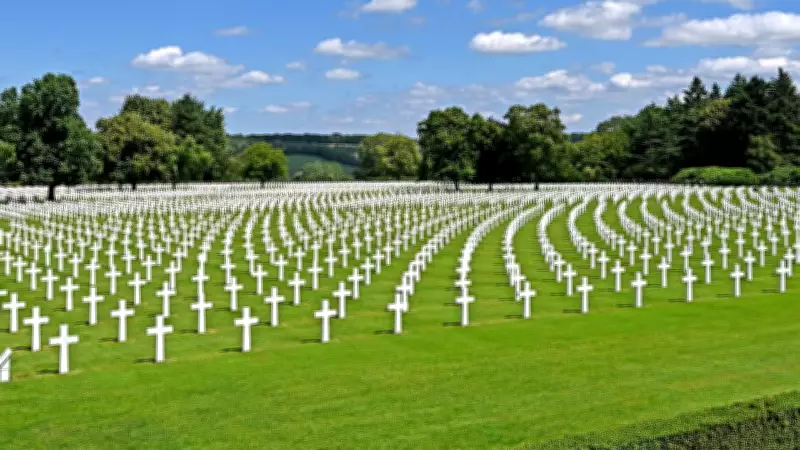
At the Netherlands American Cemetery, over 8,000 graves and more than 1,700 names on the Wall of the Missing have all been adopted by local families. The demand became so substantial that waiting lists expanded into the hundreds, ultimately leading organizers to close new registrations in 2021. Similar dedication is evident at Flanders Field American Cemetery and Henri-Chapelle American Cemetery, where every grave is tended to with remarkable commitment, including that of General Castle, the highest-ranking US soldier interred in Belgium.
More Than Remembrance: Building Human Connections
While many adopters may never meet the relatives of the soldiers they honor, some have made significant efforts to establish contact with families in the United States. Exchanges of letters, photographs, and visits have facilitated meaningful cross-continental relationships. In one notable case, a Belgian couple even founded a small museum dedicated to preserving the stories of the fallen.
The tradition extends beyond families alone. Schools in both Belgium and the Netherlands actively engage children in visiting cemeteries and learning about the historical context behind each grave. Students are encouraged to comprehend the sacrifices made during the war and participate in acts of remembrance, thereby ensuring the legacy endures into the future.
Annually on Memorial Day, thousands of local families gather at these cemeteries, placing flowers and paying respects to soldiers they never knew personally. Yet, their actions convey a powerful message. Amidst the quiet rows of white headstones, a solemn promise remains alive: those who gave their lives far from home will never be forgotten.