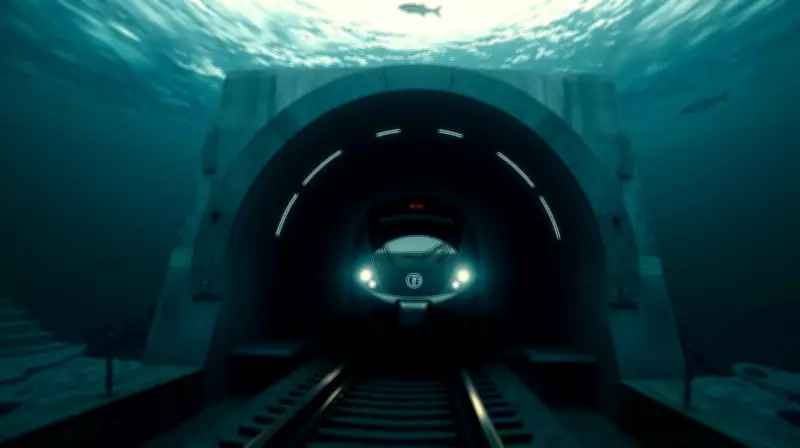
A remarkable engineering project taking shape beneath the Baltic Sea is set to transform travel across northern Europe. The Fehmarnbelt Tunnel, currently under construction between Denmark and Germany, will replace a ferry crossing that has connected the two nations for decades. Once completed, motorists will be able to travel beneath the sea in just 10 minutes, while train passengers will make the journey in only seven minutes.
World's Longest Immersed Tunnel
Stretching approximately 18 kilometres beneath the Fehmarn Belt, the tunnel is expected to become the world's longest immersed road and rail tunnel. More than a transport link, it represents a major shift in how people, goods and businesses move between Scandinavia and mainland Europe. Designed to improve connectivity, reduce travel times and strengthen sustainable transport networks, the project is being hailed as one of Europe's most ambitious infrastructure developments of the century. As giant tunnel sections are lowered into position beneath the seabed, the vision of a faster, more connected Europe is rapidly becoming reality.
Connecting Denmark and Germany
The Fehmarnbelt Tunnel will create a permanent connection between Rodbyhavn in Denmark and Puttgarden in Germany. When operational, the crossing that currently relies on a ferry journey of around 45 minutes will take just seven minutes by train and 10 minutes by car. The tunnel will carry a four-lane motorway alongside a double-track electrified railway, creating a vital transport corridor linking Scandinavia with Central Europe.

The Institution of Civil Engineers (ICE) states that the tunnel is being constructed using the immersed tunnel method, in which enormous prefabricated concrete elements are built on land, floated into position, and carefully submerged into a trench on the seabed. This approach has been chosen because it is a proven and efficient solution for the conditions of the Fehmarn Belt.
The technology is Danish-developed and builds on experiences from, among others, the Oresund Tunnel, as stated by Femern A/s.
Engineering Marvel Beneath the Sea
According to BBC reports back in 2025, the scale of the project is extraordinary. The tunnel will consist of 89 massive concrete elements, including 79 standard sections and 10 specialised sections. Each standard element measures approximately 217 metres in length and weighs around 73,000 tonnes. These giant structures are manufactured in dedicated facilities before being transported and submerged beneath the Baltic Sea.
When dug deepest, the tunnel will reach depths of about 40 metres underwater and will feature highly efficient safety features such as emergency lanes and escape routes with roadways and railway tunnels running separately. The engineers are building this tunnel with the capacity to withstand harsh environmental conditions without compromising its safety aspect.
Several notable milestones during construction have been reached, as shown by the successful immersion of the first tunnel segments.
Faster Journeys, Greener Transport
Apart from being convenient, the Fehmarnbelt Tunnel will transform transport dynamics across Europe. The fixed crossing will reduce rail transit times between major cities and make freight transport more efficient, offering the shortest route from Scandinavia to continental Europe. There will be a significant improvement in the journey time between Hamburg and Copenhagen, making it easier for businesses in both regions.
According to experts working on the project, the Fehmarnbelt Tunnel is one of the biggest steps in improving mobility within Europe. It promises to promote trade, tourism and cross-border movement by shifting freight transport from ferry to rail lines.
With the construction of the Fehmarnbelt Tunnel, the world will have not only an engineering marvel but also a testament to the power of infrastructure in bringing countries together through water.