Germany's Military Readiness Crisis
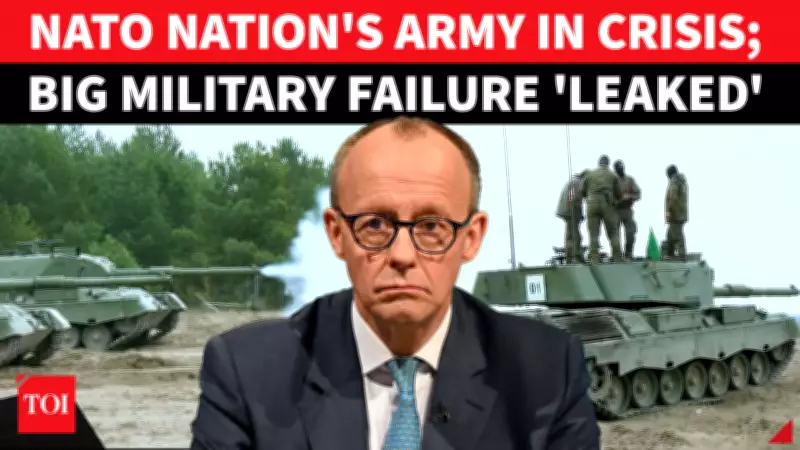
Germany has committed hundreds of billions of euros to rebuilding its military after years of underinvestment. However, according to reports citing internal assessments, the Bundeswehr now faces a more basic challenge: keeping its existing equipment operational. Reports suggest that only around half of several key combat platforms, including the PzH 2000 howitzer, Marder infantry fighting vehicle, and Boxer armored personnel carrier, are currently available for service. Maintenance delays are linked to spare-parts shortages and logistical bottlenecks.
Spending vs. Readiness Gap
As Chancellor Friedrich Merz pushes for a stronger German military, the issue highlights a growing gap between defense spending and combat readiness. The Bundeswehr's struggles underscore the difficulty of rapidly modernizing a force that has faced decades of underfunding.
Germany's defense budget has seen significant increases in recent years, but the leak reveals that simply allocating funds is not enough. The military must also address systemic issues in supply chains and maintenance infrastructure to ensure that equipment is actually deployable.

The situation has raised concerns among NATO allies, who rely on Germany as a key partner in European defense. The leak comes at a time of heightened tensions with Russia and increased focus on NATO's eastern flank.
Experts warn that without urgent reforms, Germany's military ambitions will remain unfulfilled. The Bundeswehr must prioritize not just procurement but also sustainment to bridge the gap between investment and operational capability.