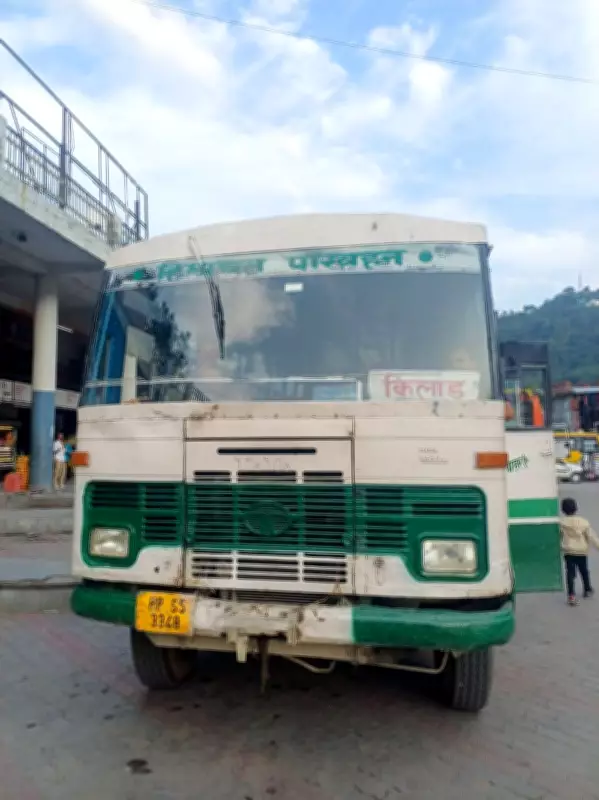
The Himachal Road Transport Corporation (HRTC) has resumed its direct Killar-Chamba bus service via the 4,500-metre-high Sach Pass, ending an 11-month suspension that had severely impacted the remote tribal Pangi valley. The service restarted on July 1, 2026, reconnecting the valley with Chamba through its shortest and most vital road link.
Restoration after monsoon damage
The bus service was suspended in August 2025, nearly two months before the seasonal closure of Sach Pass, following extensive damage caused by monsoon rains. During the suspension, residents were forced to rely on private taxis, paying between Rs 1,000 and Rs 2,000 for a one-way journey. The restoration brings an affordable and dependable lifeline for students, patients, government employees, traders and other residents of the region.
Sach Pass is the most crucial road link connecting Pangi subdivision with Chamba. Although the route was reopened to light vehicles in late April, the Public Works Department (PWD) issued a fitness certificate for heavy vehicles only last week after carrying out extensive restoration work.

Service details and official statement
“The Killar-Chamba-Killar bus service has been restored from July 1, 2026. The bus departs daily from Chamba at 5.00 am and from Killar at 9.00 am. The one-way fare has been fixed at Rs 432. We appeal to the people to make maximum use of this service. HRTC remains committed to providing safe, reliable and convenient transport services,” said Anshit Sharma, HRTC Regional Manager, Keylong.
Local residents welcomed the resumption and urged the government to introduce additional buses on the route to meet passenger demand.
Lifeline for Pangi valley
Located in the Pir Panjal range of the Himalayas, the Sach Pass route is the lifeline of Pangi valley. Despite being the shortest link to Chamba, the narrow, largely unpaved mountain road takes more than 10 hours to cover the 175-km journey. The route remains operational only until October 15, after which heavy snowfall forces its annual closure. During winter, Pangi residents have to travel via Jammu and Kashmir or Kullu-Manali, stretching the journey to nearly 700 km and pushing taxi fares to around Rs 2,000 per person for a one-way trip.
Spread over 1,595 sq km, Pangi valley is home to nearly 25,000 people living in 55 villages across 19 gram panchayats. With limited public transport and prolonged winter isolation, the HRTC bus service remains not just a mode of transport but a vital lifeline connecting the tribal valley with the rest of Himachal Pradesh.