India and Iran Discuss Bilateral and Regional Issues in Delhi
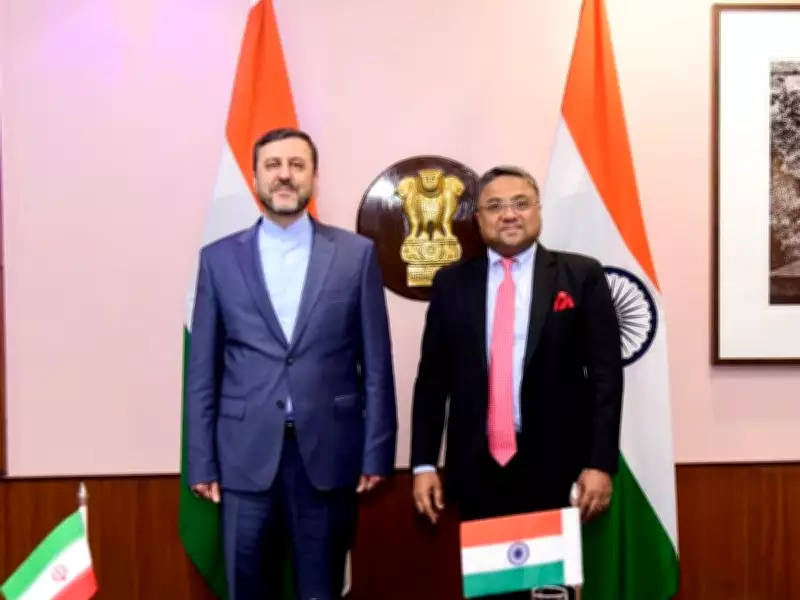
India and Iran held high-level talks in New Delhi on Tuesday, focusing on a wide range of bilateral and regional issues. The discussions covered key areas of mutual interest, including trade, energy, connectivity, and the situation in Afghanistan. The meeting was co-chaired by India's External Affairs Minister S. Jaishankar and Iran's Foreign Minister Hossein Amir-Abdollahian.
Key Highlights of the Talks
Both sides reviewed the progress of bilateral cooperation in various sectors. They emphasized the importance of the Chabahar Port project, which serves as a crucial transit route for landlocked Afghanistan and Central Asia. The port is part of the International North-South Transport Corridor (INSTC) that aims to enhance connectivity between India, Iran, and Russia.
On Afghanistan, both countries expressed concern over the humanitarian crisis and called for an inclusive government in Kabul. They reiterated their support for a peaceful and stable Afghanistan, free from terrorism. Iran and India also agreed to continue consultations on regional security and counter-terrorism efforts.

The talks also touched upon energy cooperation, with Iran being a key supplier of crude oil to India. However, due to US sanctions, India has reduced its oil imports from Iran. The two sides discussed ways to maintain energy ties while complying with international sanctions.
Strengthening Trade and Economic Ties
Trade and economic cooperation were high on the agenda. Both countries expressed a desire to enhance bilateral trade, which has been affected by the pandemic and sanctions. They explored new avenues for cooperation in sectors such as pharmaceuticals, information technology, and agriculture.
India and Iran also signed a Memorandum of Understanding (MoU) on cultural exchanges, aiming to promote people-to-people contacts and mutual understanding. The MoU covers areas like art, literature, and heritage preservation.
Regional and Global Issues
In addition to bilateral matters, the two sides discussed regional and global issues of common interest. They exchanged views on the situation in the Persian Gulf, the Middle East peace process, and the need for reforming multilateral institutions.
Both ministers emphasized the importance of dialogue and diplomacy in resolving conflicts. They called for a peaceful resolution of the Ukraine crisis through negotiations.
The talks concluded with a commitment to hold the next round of consultations at mutually convenient dates. The discussions were held in a friendly and constructive atmosphere, reflecting the long-standing ties between India and Iran.