In a sombre move reflecting national grief, Indonesia has called off official New Year's Eve fireworks displays across the country. This decision comes as the archipelago nation mourns the tragic loss of at least 67 lives due to devastating floods and landslides on the island of Sumatra.
A Nation in Mourning After Catastrophic Floods
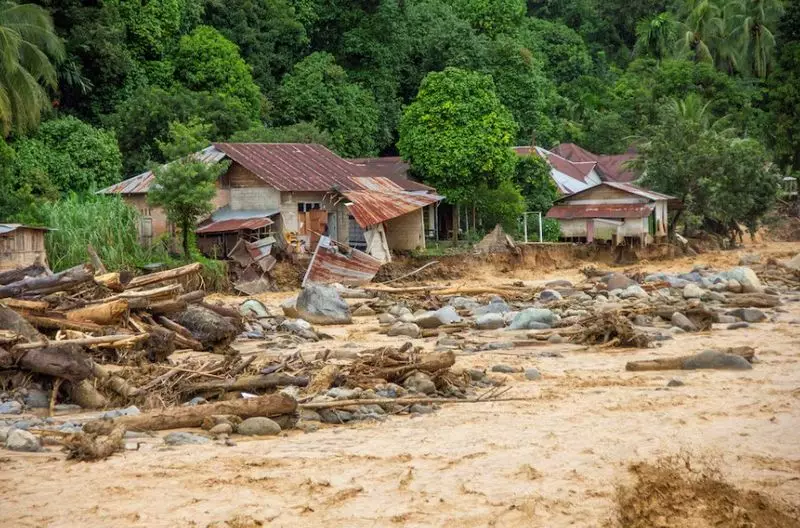
The disaster struck over the weekend in West Sumatra province, where relentless heavy rainfall triggered catastrophic natural events. The downpour caused rivers to overflow their banks and saturated hillsides to collapse. The most severe impact was felt in the Pesisir Selatan (South Coast) and Agam districts, where rescue operations have been ongoing for days.
National Disaster Management Agency (BNPB) spokesperson Abdul Muhari confirmed the grim toll. The death count has reached 67 people, with many more still unaccounted for. Search and rescue teams, comprising military, police, and local volunteers, continue to brave difficult conditions to find missing persons amidst the mud and debris.

Widespread Damage and Displacement
The scale of the destruction is immense. The floods and subsequent landslides have damaged or destroyed thousands of homes, critical bridges, and public infrastructure. Roads have been washed away, severely hampering access to isolated communities and complicating relief efforts.
Beyond the tragic loss of life, the disaster has created a severe humanitarian crisis. Over 3,300 people have been forced to flee their homes, seeking refuge in temporary shelters. These evacuation centres are now grappling with the urgent need for basic supplies like food, clean water, medicine, and warm clothing for the displaced families.
Local authorities and national agencies are working to deliver aid, but damaged transportation networks present a significant logistical challenge. The full economic impact, including loss to agriculture and local businesses, is still being assessed but is expected to be substantial.
Government Response and Symbolic Cancellation
In response to the tragedy, the Indonesian government, led by President Joko Widodo, has taken decisive action. The most visible symbol of this period of mourning is the cancellation of all government-sponsored New Year's Eve fireworks celebrations. This directive applies to national, provincial, and district-level events, shifting the tone from celebration to reflection and solidarity.
President Widodo has expressed his deepest condolences to the families of the victims and has instructed all relevant ministries and agencies to prioritize disaster response. He has called for accelerated search and rescue operations and ensured that aid reaches the affected populations without delay.
This is not the first time Indonesia has modified national celebrations due to tragedy, reflecting a cultural respect for those suffering. The country, situated in a seismically active region, is frequently hit by earthquakes, volcanic eruptions, and floods, making disaster management a recurring priority for its government.
Looking Ahead: Recovery and Resilience
As the immediate search for survivors continues, the focus is gradually expanding towards recovery and rehabilitation. The tasks ahead are daunting: rebuilding homes, restoring infrastructure, and providing psychosocial support to traumatised communities. Environmental experts are also likely to examine factors like deforestation and land use, which can exacerbate the impact of heavy rainfall.
The cancellation of the New Year's fireworks serves as a powerful, unified gesture of national sorrow. It underscores the severity of the Sumatra disaster and reminds the world of the human cost behind the headlines. As Indonesia steps into the new year, its journey will begin not with festivity, but with a collective resolve to heal and rebuild from this profound tragedy.