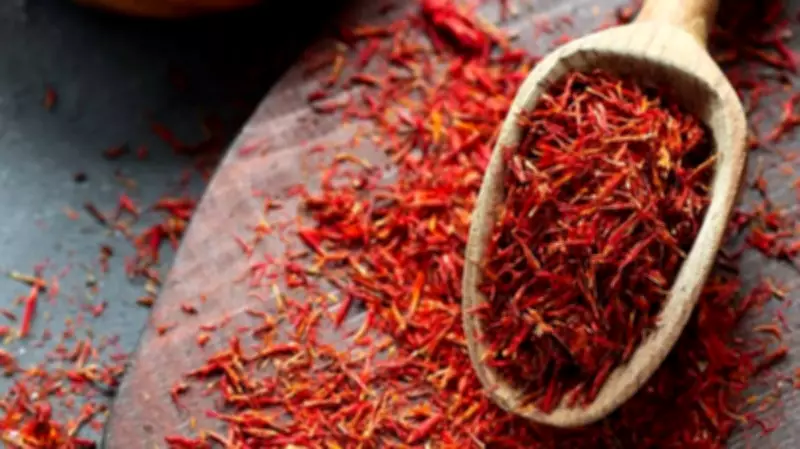
With concerns mounting over supplies from Iran, which dominates global saffron production, demand for Kashmir saffron has risen sharply in recent weeks. The conflict in Iran has disrupted trade routes and raised fears of a supply crunch, prompting buyers to turn to the prized Kashmiri variety, often referred to as 'red gold'.
Global Saffron Market in Turmoil
Iran accounts for over 90% of the world's saffron output, making it the undisputed leader in the spice trade. However, the ongoing conflict has led to logistical bottlenecks and uncertainty, creating a vacuum that Kashmiri producers are eager to fill. Traders report a surge in inquiries from international buyers, particularly from Europe and the Middle East, where Kashmiri saffron is valued for its superior quality and intense aroma.
Local Harvests Under Pressure
Despite the spike in demand, Kashmir's saffron industry faces significant challenges. This year's harvest has been adversely affected by erratic weather patterns, including unseasonal rains and rising temperatures, which have reduced yields in the traditional saffron-growing belts of Pampore and Budgam. Farmers estimate a drop of up to 30% in production compared to the previous season, compounding the strain on supply.

Industry experts warn that the combination of high demand and low supply could lead to price volatility. Kashmiri saffron already commands a premium in the market, often selling for three to four times the price of Iranian saffron. With the current crisis, prices have risen by nearly 25% in the past month alone, according to local traders.
Government and Farmer Responses
The Jammu and Kashmir administration has announced measures to support saffron growers, including subsidies for irrigation and pest control. Officials are also exploring ways to enhance post-harvest storage facilities to reduce losses. Meanwhile, farmer cooperatives are leveraging the renewed interest to promote direct sales to international buyers, bypassing middlemen and improving profit margins.
"The Iran conflict has opened a window of opportunity for us," said a spokesperson for the Kashmir Saffron Growers' Association. "But we need sustained investment in modern farming techniques to meet global quality standards and ensure long-term viability."
Outlook for the Saffron Season
As the conflict shows no signs of abating, demand for Kashmiri saffron is expected to remain elevated. However, the industry's ability to capitalize on this trend hinges on overcoming structural issues such as fragmented landholdings, lack of mechanization, and climate resilience. With concerted efforts, Kashmir's 'red gold' could reclaim a larger share of the global market, even as the world watches the unfolding events in Iran.