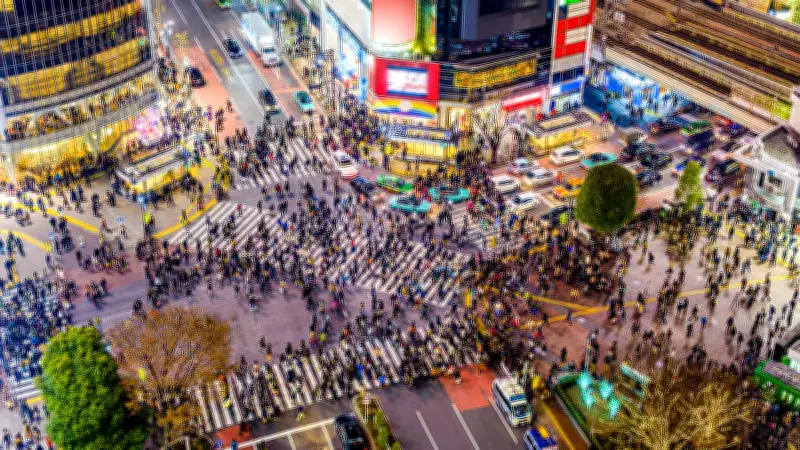
Japan has experienced a significant population decline, losing 3 million people over the past five years. The nation's population peaked in 2008 at 128 million, and current projections indicate a further drop to 87 million by 2070. This decline has brought Japan's population back to roughly the same level as it was in 1989.
Demographic Trends
The steady decrease in population is attributed to low birth rates and an aging society. Japan has one of the world's lowest fertility rates, with the total fertility rate falling below the replacement level of 2.1 children per woman. Additionally, life expectancy remains high, leading to a growing proportion of elderly citizens.
Economic and Social Implications
The shrinking population poses challenges for the labor market, social security systems, and economic growth. Fewer workers are available to support a growing number of retirees, straining pension and healthcare systems. The government has implemented various measures to counter these trends, including policies to encourage childbirth and immigration reforms.

Historical Context
Japan's population growth slowed after the post-war baby boom, with the 2008 peak marking a turning point. The country now faces a demographic crisis that is expected to intensify in the coming decades. By 2070, the population is projected to be less than two-thirds of its peak size.
The population decline is not uniform across Japan, with rural areas experiencing more severe losses as younger people migrate to urban centers. This has led to abandoned homes and shrinking communities in many regions.
International organizations and researchers continue to monitor Japan's demographic trends, as the country serves as a case study for other nations facing similar challenges. The data underscores the need for comprehensive strategies to address population decline and its widespread effects.