Karachi Transport Strike Continues as Talks Fail
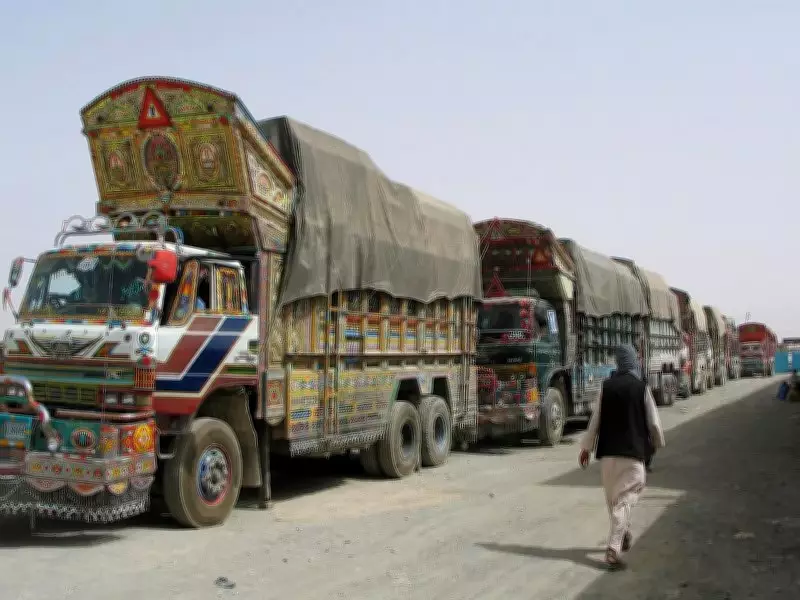
Karachi remained gripped by a public transport strike on June 21, 2026, as negotiations between transport operators and traffic authorities failed to produce any meaningful breakthrough, further disrupting daily life for thousands of commuters. The citywide chakka-jam protest is staged against electronic traffic challans, hefty fines, and a range of regulatory measures that transporters describe as unfair and financially burdensome, as reported by Dawn.
According to Dawn, Karachi Transport Ittehad (KTI) President Haji Tawab Khan confirmed that the strike would continue, stating that discussions with the Deputy Inspector General (DIG) Traffic had ended without any resolution. He said that while the DIG acknowledged transporters' concerns and promised to review disputed fines, he maintained that the authority to reverse e-challans did not rest with his office.
Core Demands Unmet
Tawab noted that none of the transporters' core demands had been accepted and expressed frustration over what he described as the government's failure to engage directly with stakeholders. Despite repeated appeals, transport representatives have yet to secure a meeting with senior officials capable of addressing their grievances. KTI Vice President Muhammad Ilyas highlighted four major concerns raised by transport operators.

Chief among them is the increasing number of fines generated through high-resolution surveillance cameras at traffic intersections and body cameras worn by traffic police personnel. Operators argue that the penalties have become excessive and difficult to absorb amid rising operational costs.
Biometric Verification and Insurance Costs
Transporters have also objected to the biometric verification process required for vehicle ownership transfers, describing it as unnecessarily complicated and time-consuming. Another point of contention is the mandatory third-party insurance policy, which reportedly costs vehicle owners around Rs12,000 annually, as highlighted by Dawn. The continuing strike has severely affected mobility across Karachi, with buses, minibuses, and coaches largely absent from the roads, forcing commuters to rely on costly alternative transport options and exposing deepening tensions between regulators and the city's transport sector, as reported by Dawn.