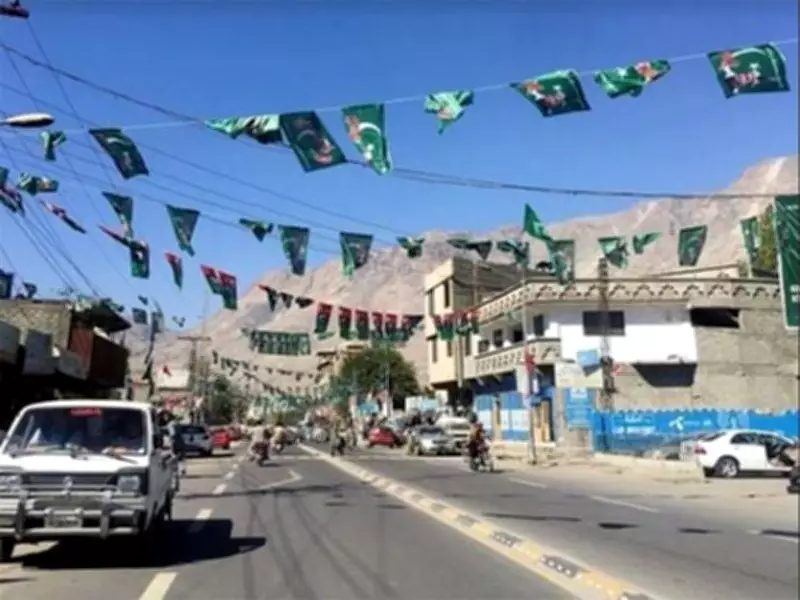
The Karakoram Highway, a vital artery connecting Pakistan-occupied Gilgit-Baltistan (PoGB) with the rest of the country, has been severely disrupted due to a combination of devastating floods and ongoing political protests. Hundreds of travelers remain stranded as the dual crisis unfolds, highlighting the region's vulnerability to natural disasters and civil unrest.
Floods Wreak Havoc on Infrastructure
Heavy monsoon rains triggered flash floods and landslides along the highway, particularly in the areas of Hunza and Nagar districts. The deluge washed away several sections of the road, damaged bridges, and blocked key routes with debris. According to local officials, at least three major bridges have been partially or fully destroyed, cutting off access to remote communities. The floods have also caused widespread damage to homes, agricultural land, and livestock, compounding the hardship for residents already grappling with economic challenges.
Protests Add to the Chaos
Simultaneously, political protests erupted in Gilgit-Baltistan, with demonstrators blocking the highway at multiple points. The protests are reportedly linked to demands for better governance, improved infrastructure, and resolution of longstanding grievances regarding political representation and resource allocation. The blockade has prevented emergency services and supplies from reaching affected areas, worsening the plight of stranded travelers and locals.

Hundreds Left Stranded
Reports indicate that over 500 passengers, including women, children, and elderly individuals, are stranded in various locations along the highway. Many are stuck in buses and private vehicles without access to food, water, or medical aid. Local volunteers and rescue teams are struggling to reach them due to the damaged roads and ongoing protests. The Pakistani military has been deployed to assist in relief efforts, but progress remains slow.
Economic and Social Impact
The Karakoram Highway is a critical trade route connecting China with Pakistan, and its disruption is expected to have significant economic repercussions. Trade volumes have plummeted, and businesses in the region are facing losses. The crisis also underscores the fragile infrastructure in PoGB, which lacks adequate preparedness for climate-induced disasters. Social tensions are rising as frustration mounts over the government's response to both the floods and the protests.
Authorities are working to restore connectivity, but the combined impact of natural and man-made challenges suggests a prolonged recovery. In the meantime, humanitarian organizations are calling for immediate action to assist the stranded and prevent further casualties.