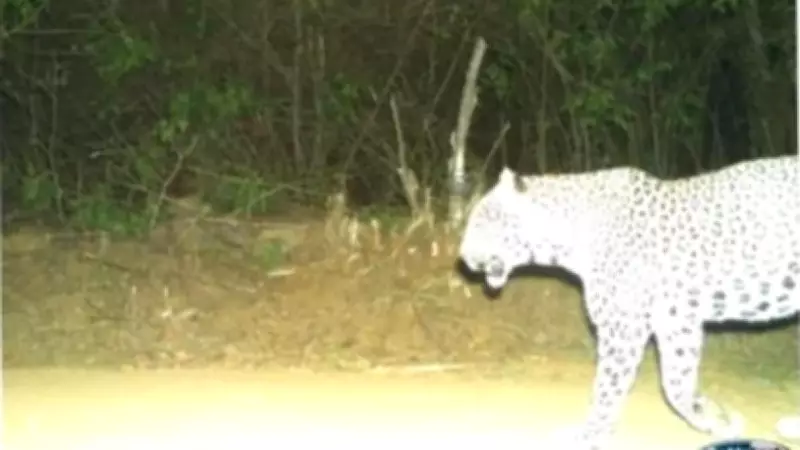
The leopard combing operation in Karnataka has entered its fourth day, with authorities intensifying efforts to locate the elusive big cat. Officials have been utilizing advanced technology, including two thermal drones and four drone cameras, since Sunday to trace the leopard's movements. In addition to aerial surveillance, trap cameras and cages have been strategically placed in areas where the leopard has been sighted.
Operation Details
The operation, which began on May 11, 2026, involves multiple teams from the forest department working round the clock. The use of thermal drones has proven particularly effective in detecting heat signatures of the leopard even in dense foliage. Drone cameras provide real-time visuals, allowing officials to cover vast areas quickly.
Challenges Faced
Despite the advanced equipment, the leopard's elusive nature has posed challenges. The animal is believed to have moved across a wide territory, making it difficult to pinpoint its exact location. Forest officials have urged residents in nearby villages to remain vigilant and report any sightings.

The combing operation is a coordinated effort involving wildlife experts, veterinarians, and local authorities. Cages baited with food have been set up in strategic locations to capture the leopard safely. The operation aims to tranquilize and relocate the animal to a nearby wildlife sanctuary.
This incident has drawn attention to human-wildlife conflict in the region, with calls for better fencing and early warning systems to prevent such occurrences in the future.