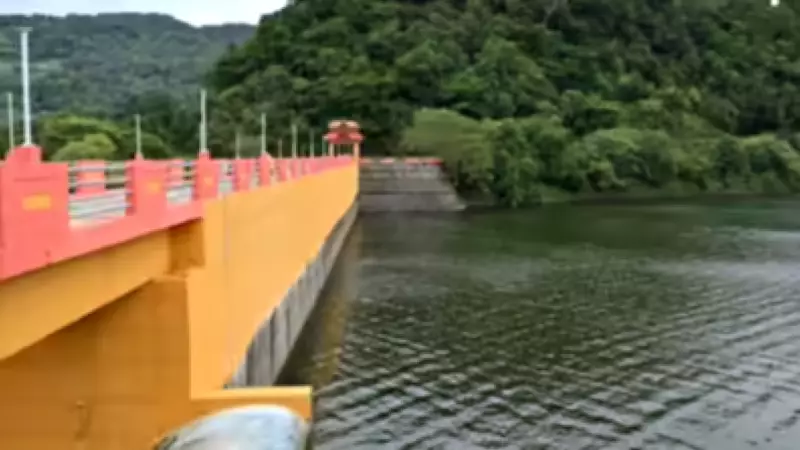
The delay by the Kerala government in finalizing a rectification method for seepage at the Siruvani dam could worsen leakage and threaten Coimbatore's drinking water supply. As seepage increases, storage efficiency may decline, reducing dependable water availability for the city. At present, nearly 10 million litres per day (MLD) of water is being lost through seepage every day, while the drinking water drawal demand from this dam for the district is 101 MLD.
Since the Siruvani dam is a major source for the Coimbatore corporation, prolonged inaction raises concerns over water security, especially during summer. Immediate technical assessment and timely corrective measures are essential to prevent further deterioration and safeguard public water needs.
Experts Involved and Current Status
Experts from the Central Water and Power Research Station (CWPRS) were roped in as consultants by the Tamil Nadu Water Supply and Drainage Board (TWAD) and the Coimbatore corporation in 2024. After a couple of site inspections in the same year and a joint inspection held with interstate officials in September 2024, the corporation paid Rs 17.5 lakh to CWPRS for finalizing the technology for the rectification. The water from Siruvani dam meets the primary drinking water demands of Coimbatore city. The dam, located in Palakkad district, is operated and maintained by the Kerala state.

Official Statements
Coimbatore corporation commissioner M Sivaguru Prabakaran said a joint meeting of officials of both states was conducted last week. “But the technology has not been finalised yet by the Kerala government. The estimate for the project can be created only after that. With further delay, over a period of time, the erosion will increase, leading to more water loss. The CWPRS has suggested three technologies: pressure grouting, fibre-infused concrete and the injection method. We continue to communicate through the interstate government, yet there is a delay.”
Impact on Water Supply
According to a senior TWAD official, the seepage control measures will be done at three stages — primary, secondary and tertiary treatments — after the finalisation of the methodology. “The annual requirement for Tamil Nadu from Siruvani is 1,300 mcft, but we have been drawing only 700-800 mcft, which is almost a 40% decline. Similarly, the daily drawal demand is 101 MLD, of which four MLD is supplied to villages and 97 MLD to the city corporation. But this summer, it is between 43 and 47 MLD. The dam remains full until January with adequate rainfall in the reservoir. The main problem is the summer and the low rainfall days. If the seepage is controlled, the amount of water stored and drawn will definitely increase, meeting the public's needs,” the official said.
The situation underscores the urgent need for interstate cooperation to resolve the seepage issue and ensure a reliable water supply for Coimbatore residents.