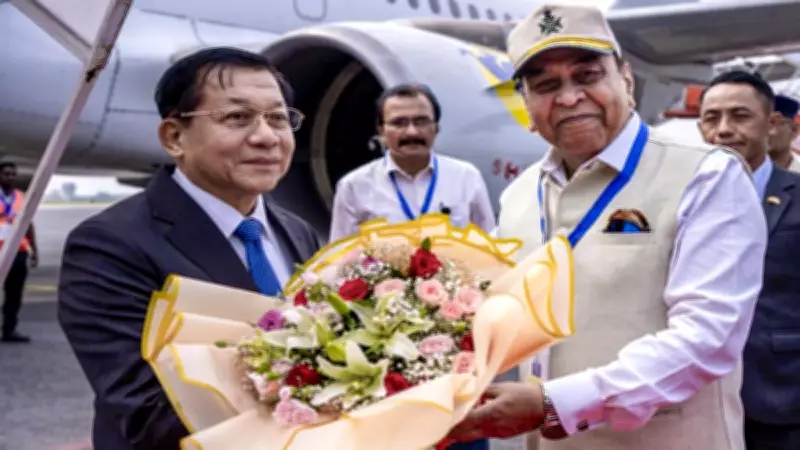
Myanmar President Hlaing's visit to India is poised to be a pivotal moment for bilateral relations, with discussions centered on border security, bilateral ties, and connectivity. The visit, scheduled for May 30, 2026, comes at a time when both nations seek to enhance cooperation in various sectors.
Border Security Cooperation
One of the primary agendas of the visit is to bolster border security along the India-Myanmar border. The two countries share a 1,643-kilometer-long border, which has been a source of concern due to insurgent activities and illegal trafficking. India has been pushing for better coordination with Myanmar to curb cross-border movements of insurgents and smugglers. President Hlaing's discussions with Indian leaders are expected to yield agreements on joint patrols and intelligence sharing.
Strengthening Bilateral Ties
The visit also aims to strengthen the overall bilateral relationship. India and Myanmar have historically shared close cultural and economic ties. In recent years, India has emerged as a key development partner for Myanmar, with projects ranging from infrastructure to capacity building. The two sides are likely to sign several Memoranda of Understanding (MoUs) in areas such as trade, investment, and technology. The visit is expected to give a fresh impetus to the Act East Policy of India, which views Myanmar as a gateway to Southeast Asia.

Connectivity Projects
Connectivity is another major focus area. India has been involved in several connectivity initiatives, including the Kaladan Multi-Modal Transit Transport Project and the India-Myanmar-Thailand Trilateral Highway. These projects aim to enhance physical connectivity between South and Southeast Asia. During the visit, both sides are expected to review the progress of these projects and discuss ways to expedite their completion. Improved connectivity is seen as crucial for boosting trade and people-to-people contacts.
Regional and Strategic Issues
Apart from bilateral matters, the leaders are also expected to discuss regional and strategic issues. Myanmar's internal situation, including the ongoing conflict in Rakhine State, may come up during talks. India has consistently supported Myanmar's efforts towards peace and reconciliation. Additionally, the two countries share common concerns about the rise of China's influence in the region. The visit provides an opportunity to align their positions on various regional forums.
Economic Engagement
Economic ties are also on the agenda. Bilateral trade currently stands at around $1.5 billion, with potential for significant growth. Indian companies have shown interest in Myanmar's energy, agriculture, and manufacturing sectors. The visit is expected to encourage more Indian investments in Myanmar and facilitate market access for Myanmar products in India.
Cultural and People-to-People Ties
Cultural and people-to-people ties are an integral part of the relationship. Both countries share a common Buddhist heritage and have strong cultural links. The visit may include events highlighting these ties, such as exhibitions and cultural performances. Such interactions help build mutual understanding and goodwill.
Conclusion
President Hlaing's visit to India is crucial for taking the bilateral relationship to new heights. With a comprehensive agenda covering security, connectivity, economy, and culture, the visit is expected to produce tangible outcomes that benefit both countries. As India looks to deepen its engagement with Southeast Asia, Myanmar remains a key partner. The success of this visit will likely set the tone for future cooperation.