

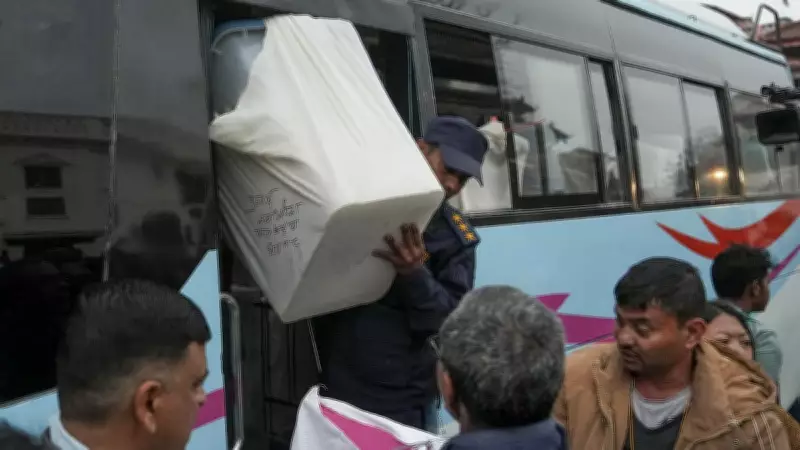
Nepal Election Results: RSP Gains Early Lead in 23 Seats
Initial trends from the recent elections in Nepal are revealing a significant political development, with the Rastriya Swatantra Party (RSP) emerging as a frontrunner. According to early vote counts, the RSP is currently leading in 23 parliamentary seats, signaling a potential realignment in the nation's governance. This early advantage positions the party as a formidable force in the upcoming government formation process, highlighting a shift in voter sentiment towards newer political entities.
Balendra Shah's Influence and Party Performance
Balendra Shah, a prominent figure within the RSP, is playing a crucial role in this electoral surge. His leadership and public appeal have contributed to the party's strong performance across multiple constituencies. The trends suggest that Shah's influence is resonating with voters, potentially paving the way for increased representation in Nepal's parliament. This development underscores the growing importance of charismatic leaders in shaping electoral outcomes in the region.
The RSP's lead in 23 seats, as per the initial data, reflects a broader trend of political diversification in Nepal. Voters appear to be moving away from traditional parties, seeking alternatives that promise fresh approaches to governance and development. This shift could have lasting implications for policy-making and international relations, particularly in South Asia.

Implications for Nepal's Political Future
If these trends hold, the RSP's performance could lead to a more fragmented parliament, necessitating coalition-building and negotiations among various parties. This scenario might influence legislative priorities, including economic reforms, infrastructure projects, and social welfare initiatives. The election results are being closely monitored by analysts and diplomats, as they could impact Nepal's stability and its role in regional affairs.
Key observations from the initial trends include:
- The RSP's lead in 23 seats indicates a strong voter base in urban and semi-urban areas.
- Balendra Shah's popularity is boosting the party's visibility and electoral prospects.
- Traditional parties may need to reassess their strategies in light of this competitive challenge.
As vote counting continues, final results will provide a clearer picture of the political landscape. However, the early leads suggest that Nepal is witnessing a dynamic electoral process, with the RSP and figures like Balendra Shah at the forefront of change. This election could mark a turning point in the country's democratic journey, emphasizing the need for adaptive and responsive governance.






